


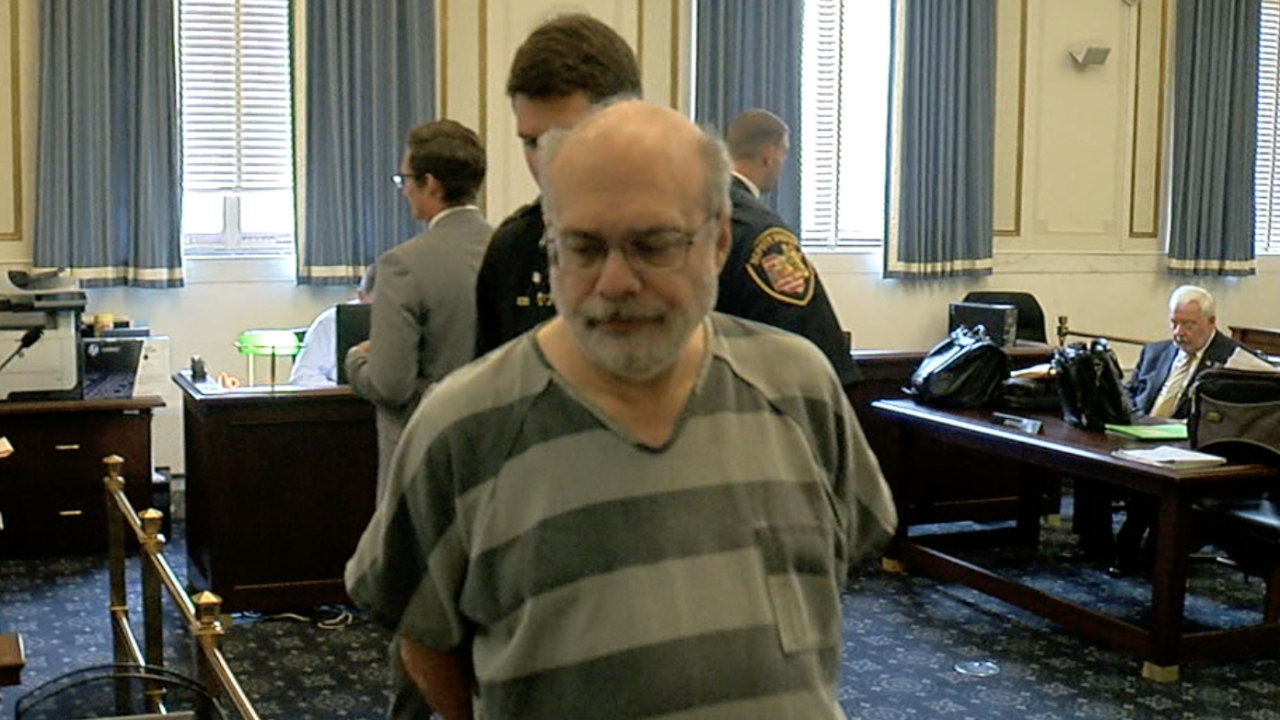


COLUMBUS, Ohio — The controversial case of former priest and confessed rapist Geoff Drew could result in another law change in Ohio: statute of limitations reform.
Ohio Sen. Bill Blessing, a Republican from Colerain Township, said he is willing to sponsor legislation to allow prosecutors to file criminal charges in childhood sexual abuse cases regardless of when it happened. This comes after prosecutors could not charge Drew for sexually abusing a second alleged victim because the statute of limitations had expired.
“This issue just continues to fester,” Blessing said. “It’s not going to get any better for anyone until we move beyond that, and that includes the church.”
Blessing also wants to eliminate time limits for victims to sue their abusers and the institutions accused of protecting them. Drew’s victim could not file a lawsuit for his repeated childhood rape because he was 40 when he reported it, which is a decade too late, according to current Ohio law.

In a 2022 interview, victim Paul Neyer said the Archdiocese of Cincinnati declined to pay any damages for the years of sexual abuse he endured and only offered him counseling.
Ohio is one of only six states that have not eliminated the statute of limitations on all or some childhood sexual abuse, according to Child USA, a nonprofit working to end child abuse.
Blessing, who is Catholic, also wants a “look-back window,” which would allow victims, like Neyer, to reopen claims that expired years or even decades ago.
Such laws have led to a wave of lawsuits against the Catholic Church in other states, where some archdioceses have filed for bankruptcy protection. Blessing acknowledged that changing Ohio law could expose churches and institutions to significant liability.

Asked whether the change would “open the floodgates,” Blessing replied, “No question.”
“What are we saying here?” Blessing said. “That justice cannot be done because somebody might go bankrupt or might lose money? … I’m sorry, I have to side with the victim on this.”
Watch: Ohio lawmakers push for statute of limitations reform.
In Ohio, criminal charges for rape and sexual battery can be filed until victims turn 43. Civil claims are permitted until victims turn 30.
“It was eye-opening to me how far behind Ohio is compared to other states, even states around us,” said Rep. Rachel Baker, who represents District 27, the eastern and northern parts of Hamilton County.
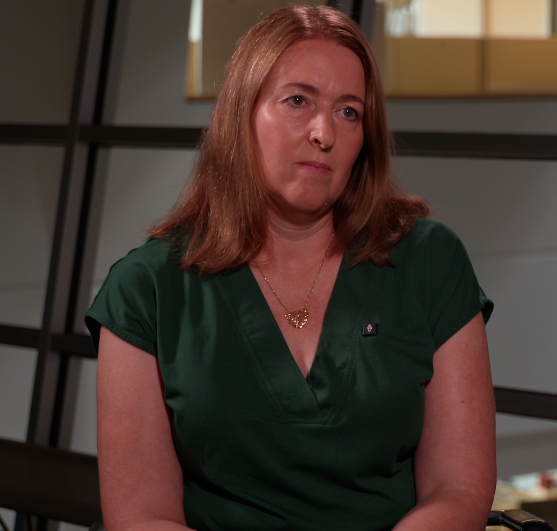
Blessing and Baker convened the Safer Communities Legislative Working Group, which released its findings on sexual and domestic violence Wednesday, and a top recommendation was statute of limitations reform.
“Many survivors delay reporting sexual violence due to trauma, fear, power dynamics or lack of supportive resources. Modifying Ohio’s civil and criminal timelines is critical for holding repeat offenders accountable and enhancing public safety,” the report stated.
The group proposed a ‘good, better, best’ choice of options for legislators. Blessing said he preferred the most expansive option: full elimination of the criminal statute of limitations for rape and sexual battery; eliminating the civil statute of limitations for child sexual abuse; establishing a time-limited lookback window for all survivors; and aligning the same timeline for both criminal and civil cases.
"Yes, there has been a historical resistance to pass some of the things we will be inevitably recommending,” Blessing said. “But you can’t ignore a lot of the reporting that has been in the news recently on these issues. You can’t ignore the laundry list of advocates who have said, ‘Look, we really need this.’”
Ohio lawmakers have tried repeatedly to change these laws, but advocates say those efforts stalled because of pressure from the insurance industry and the Catholic Church.
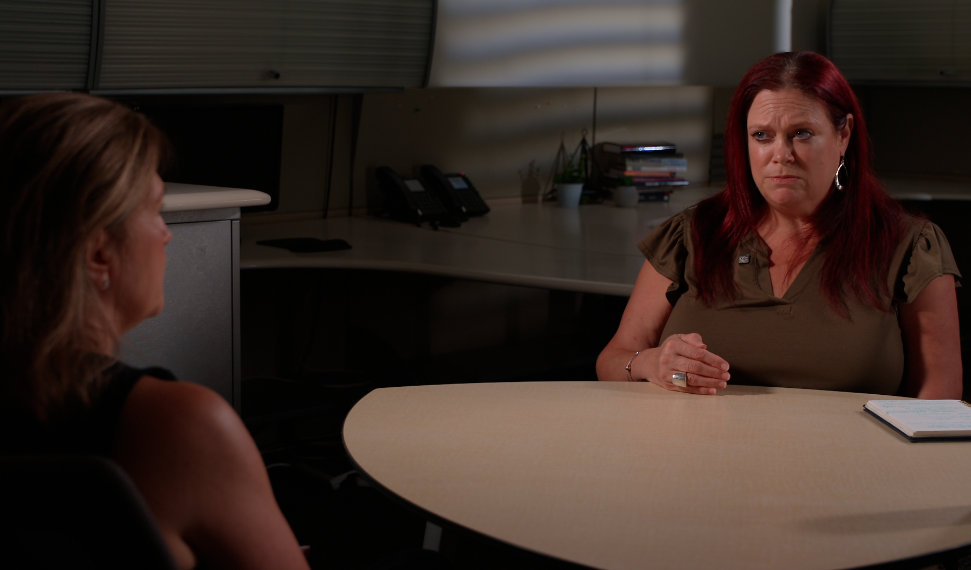
“For the last 20 years, nearly every General Assembly someone has presented a statute of limitations bill, but it has been quite some time since there has been a Republican, someone in the majority party, sponsoring it,” Ohioans for Child Protection co-founder Rebecca Surendorff said. “It’s fairly historic.”
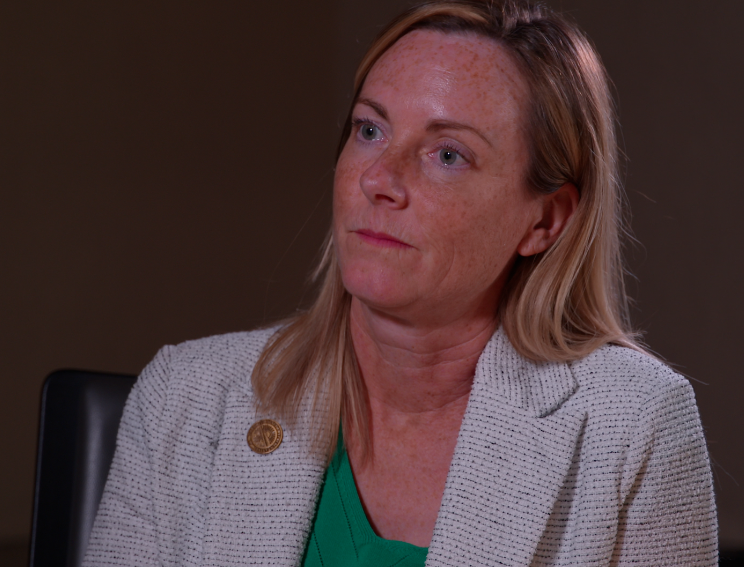
Surendorff said it makes sense for Blessing to sponsor the legislation since he represents the 8th District, which includes Cincinnati’s west side where Drew’s crimes occurred.
Drew pleaded guilty to the repeated rape of an altar boy when the boy was 9, 10 and 11 years old. It happened in the late 1980s and early 1990s when Drew was music director at St. Jude in Bridgetown. Drew later became a priest.
In 2021, Judge Leslie Ghiz sentenced him to seven years in prison, which was set by the plea deal, but added that she would have gladly sent him to prison for life.

It was one of the most highly publicized and controversial crimes in recent Cincinnati memory. It led to the resignation of an auxiliary bishop, the demand for a Vatican investigation by 1,500 local Catholic and questions about how the Archdiocese of Cincinnati handled complaints that spanned three decades, across three different counties where Drew worked in churches and schools first as a music or band director, and later as a priest.
“Geoff Drew was an employee of the Catholic Church for his entire adult life,” Surendorff said. “The circumstances of the abuse occurred at a Catholic institution, and when you look at the details of the case, there were indicators that he had problematic behavior with minors dating back to the '80s.”
Police interviewed a second alleged victim who said he was also an altar boy at the school in the mid-1980s and never told anyone about his sexual abuse until he saw Drew’s arrest on the news in August 2019.
“That was never going to come out,” the man told police in a 2019 interview. “Until I sat at a bar after work and I seen it on the news. I was like, oh my God, nine counts. And I damn near cried right there.”
Prosecutors could not file charges in that case because the alleged victim was 45 — two years too late under Ohio’s current law.
“It doesn’t matter how much evidence there is. It doesn’t matter that he is a convicted child sex abuser,” Surendorff said. “None of that matters in Ohio. What matters is that some arbitrary deadline has passed and now he gets a free pass.”

Surendorff was a classmate of Neyer’s at St. Jude. She remembered how Drew had groomed other boys at her school.
A WCPO investigation revealed that priests, parents and church and school officials knew about Drew’s inappropriate behavior with boys for decades, ranging from lingering hugs and shoulder massages to vacations and camping trips where alcohol was served and a boy blacked out from drinking too much.
Then-Archbishop Dennis Schnurr placed Drew on an administrative leave of absence before his 2019 arrest, after he texted a teenage boy while pastor at St. Ignatius of Loyola in Green Township, where he oversaw the largest Catholic grade school in Ohio.
“I think people are finally seeing a concrete example where, because we have not updated these laws, a man like Geoff Drew is out of prison today and in our community once more,” Surendorff said.

Drew was released from prison Aug. 17 and is now living in Cincinnati as a Tier-3 sex offender.
Drew is classified at the highest sexual offender level and must register his home address with the Hamilton County Sheriff’s Office every 90 days for the rest of his life.
Ohio law forbids Drew from living within 1,000 feet of any school, preschool or daycare. It also bans them from volunteer work where they would have extensive contact with children.
“When we have these limits in place, and we’re not able to allow victims to have their time in court, we are opening the gates to our backyards and asking predators to come in,” Ohioans for Child Protection co-founder Teresa Dinwiddie-Herrmann said. “We are allowing predators to escape justice, to escape their penalty, and exist in our communities.”
Watch What They Knew: The Father Geoff Drew Investigation here:
You can also listen to the full podcast below:
“I don’t think our community is safe with him out. They’re going to be at risk. People will be at risk. Young men will be at risk,” said retired Cincinnati police detective Dana Jones, who led the case against Drew with Green Township police detective James Conforti.
Jones spoke publicly for the first time about Drew for a new WCPO 9 I-Team podcast, What They Knew: The Father Geoff Drew Investigation. The podcast is available on Spotify, Apple Podcasts and YouTube.
“He mastered his craft,” Jones said. “His title of being a priest gave him the arrogance and the confidence to have his victims submit to him in a way that I haven’t seen before.”
Baker credited the I-Team’s podcast for raising awareness about the impact of Ohio’s laws.
“Watching it, it was so obvious the real human impact of our SOL laws in Ohio,” Baker said.
Blessing said he plans to introduce the bill this fall. But because the upcoming lame-duck session is short, he said the proposal could stall. If that happens, he plans to introduce it again in early 2027.
Blessing said he “feels it in his bones” that lawmakers can pass some change this time.
Ohio Gov. Mike DeWine signed the bill into law in January 2025.
"It shouldn’t be a difficult moral question right? Do you protect a child? Or do you protect a sex offender?" Surendorff said.
