

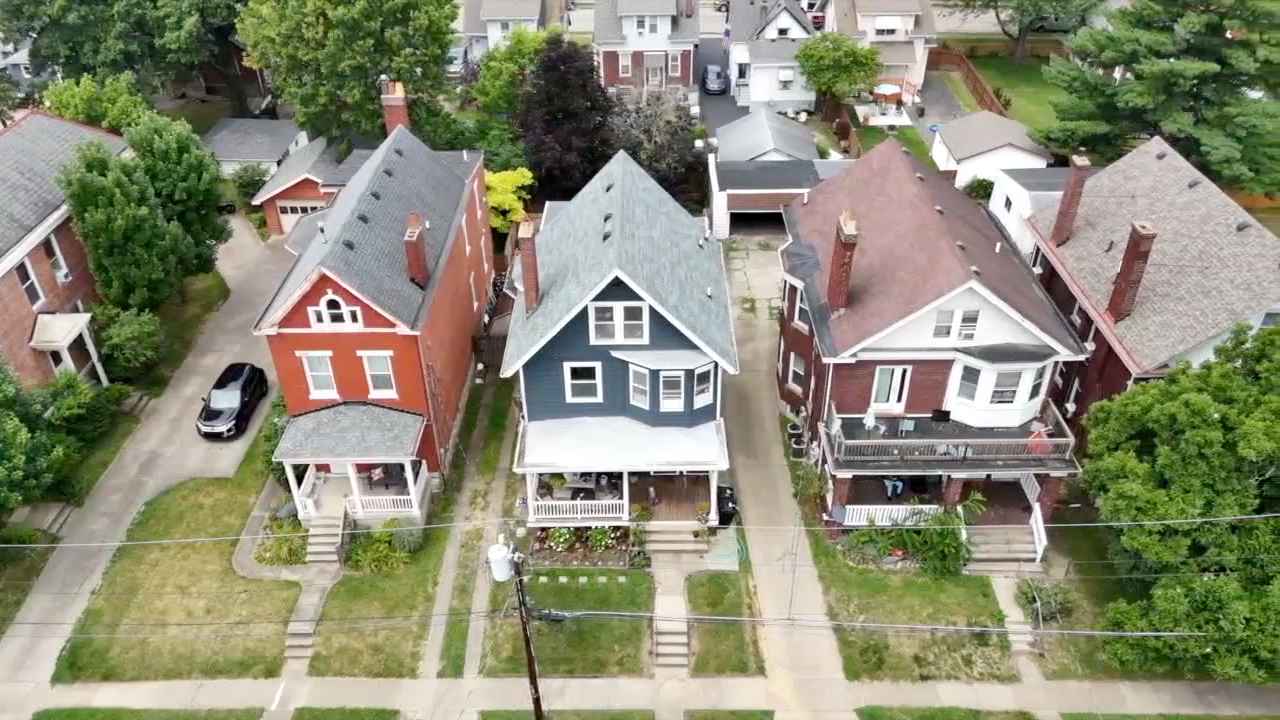


CINCINNATI — Hamilton County property values are once again on the rise, and it will likely mean higher tax bills for many in the county next year.
The latest valuation by the Hamilton County Auditor's Office found home values increased, on average, by 27%.
Hamilton County Auditor Jessica Miranda says it's a state-mandated process. The triennial mass appraisal looks at comparable home sales across the county to help set property values. Miranda says her office is responsible for assessing about 350,000 parcels countywide, which include residences, commercial and industrial businesses and agricultural land.
WATCH: How to find your new home value for 2026
"The real estate market is still good; properties are still selling for high amounts, and that is what is driving this increase," Miranda said.
The increase is smaller than the last full reappraisal, which saw home values increase on average 34%, but it will still likely add to property tax bills for the 2026 tax year, payable in 2027. Miranda says the actual tax rates will be finalized in mid-December once her office receives finalized rates from the state Department of Taxation.
"As soon as we receive those finalized rates from the state department, then we can get to our work, which is the calculating of the property tax bill," Miranda said.
Once the auditor's office calculates the bills, they are certified and sent to the county treasurer, whose office sends the invoices to property owners.
The home value spike comes just after voters passed the Job and Family Services Children's Services levy and the Cincinnati Public Schools operating levy.
How to find your new home value
If you live in Hamilton County, you can find your new home value by heading to the Hamilton County Auditor's website here.
On the homepage, click the link on the red bar at the top of the page. It will take you to a separate page with a search bar that says "parcel number, address or owner name." In that search bar, type in your address number and street name only. The new figure will appear under the column "2026 new market value."
New relief measures under House Bill 186
Miranda pointed to House Bill 186, passed in 2025, which created what are being called inflation cap credits. It limits the tax rate for homeowners in school districts that are at the 20-mill floor to the rate of inflation instead of the inflation of the real estate market.
Miranda says the bill does not go far enough and encouraged residents who want to see more done to contact their state lawmakers.
Challenging your valuation
Northside resident Sarah Wolf is in a group that supports abolishing Ohio's property taxes. She says her tax bill initially tripled following the last full reappraisal in 2023.
"They have already stabbed homeowners in the gut, and now they are back to twist the knife. Stop twisting the knife," Wolf said. "A tax should be a little annoying at worst. It shouldn't change your life."
You can challenge the valuation by filing a complaint with the county Board of Revision between January and March. Miranda encouraged homeowners to visit the auditor's website, where a three-part video series and a page of questions and answers explain how the process works and what evidence to bring.
Miranda says homeowners will know their new property tax bills by early next year at the latest.
This story was reported on-air by a journalist and has been converted to this platform with the assistance of AI. Our editorial team verifies all reporting on all platforms for fairness and accuracy.
