



CINCINNATI — It’s loud.
In the kitchen. In the dining room. In the lobby.
It’s loud.
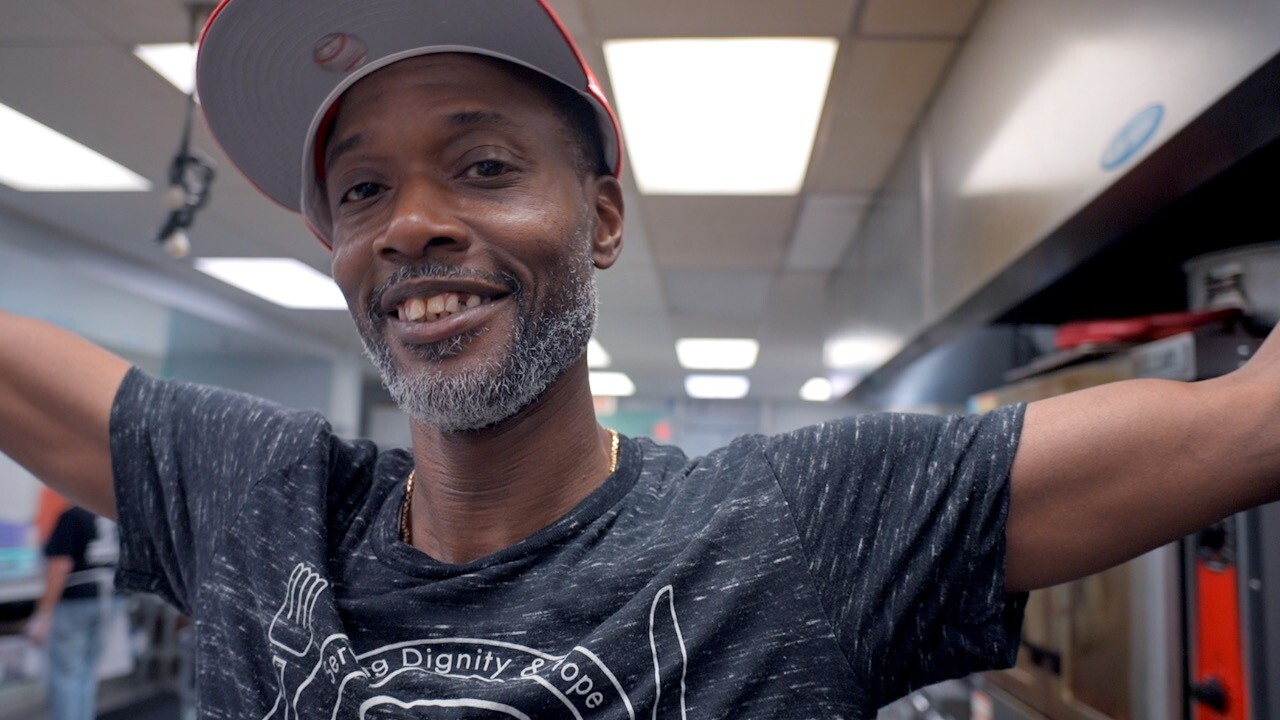
This is Our Daily Bread, the largest soup kitchen in Cincinnati. It’s the middle of breakfast, and volunteers are already getting lunch ready. Today, it’s meatloaf donated from a church.
“Are you always this busy?” I ask.
“Yes,” said Garland Butts, the head chef. “Yes. Yes. Yes.”
WATCH: This soup kitchen is turning to ‘rescued food’ to meet demand
Butts tells me he helps make anywhere from 500 to 700 meals a day. That’s double what the soup kitchen served a decade ago, according to its executive director.
That's partly because federal legislation changed eligibility rules for public food assistance last summer, and 107,573 people in Ohio lost access to benefits, according to the Ohio Poverty Law Center.
That means places like Our Daily Bread are trying to do even more. And they do that by using food that would otherwise be thrown away.
“Somebody calls and say they got 1,000 pounds of sweet potatoes — sure, bring it on. 1,000 pounds of Brussels sprouts? Sure,” Butt said. “I try my best to use everything.”
But he says the soup kitchen doesn't have the staff or the equipment to drive around the city picking up surplus food. That’s where Last Mile Food Rescue comes in.
“The amount of food that we throw away is astounding,” said Deni Robey, the director of marketing and communications for the nonprofit. "60 million pounds of good food go to landfills in Cincinnati annually."
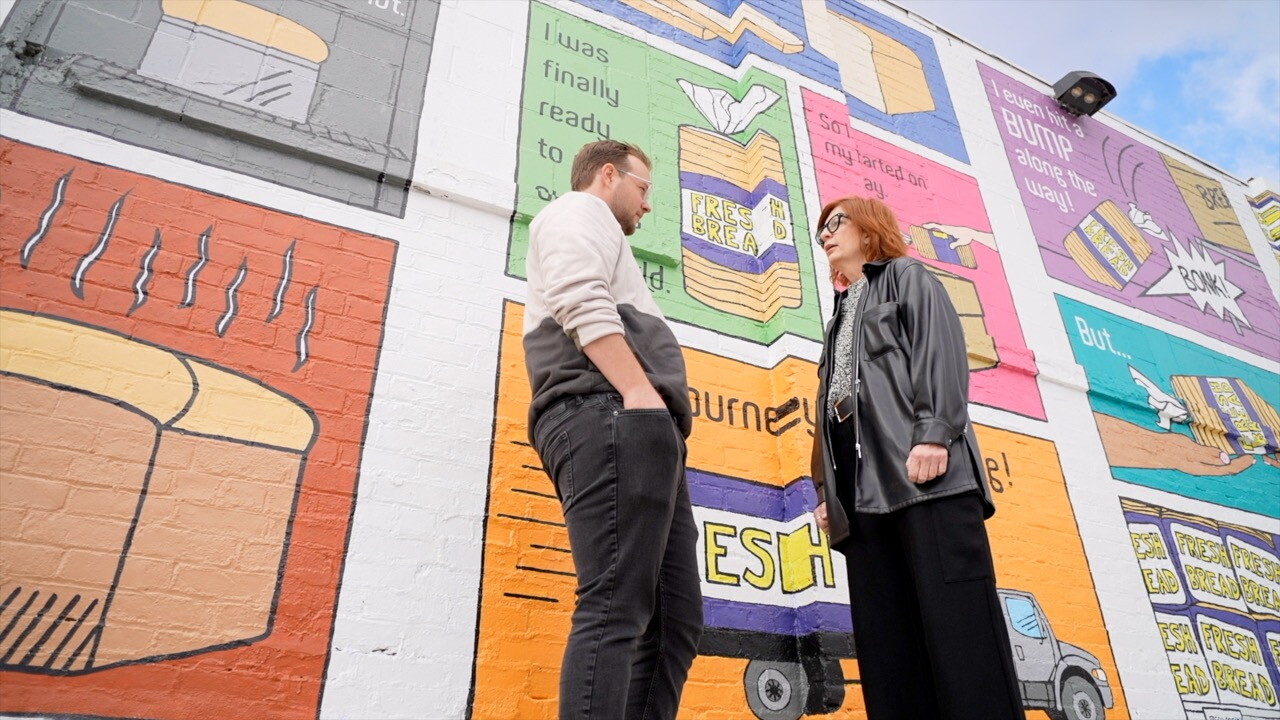
Robey tells me volunteers do an average of 120 food pickups every day around the Tri-State. She says that’s about 30% more than even this January. Then, volunteers bring food to places like this.
I tagged along with a Mason woman who drives to Yard House every week and picks up several boxes of food she cannot carry by herself.
“That’s what really kills you,” said Lisa Fiessinger, a volunteer. “There is a lot of food out there.”
And that means Chef Butts uses what he can, even if that means changing plans almost every day.
“I just enjoy being here,” Butts said. “It’s more than a job. It gives me a sense of fulfillment.”
