

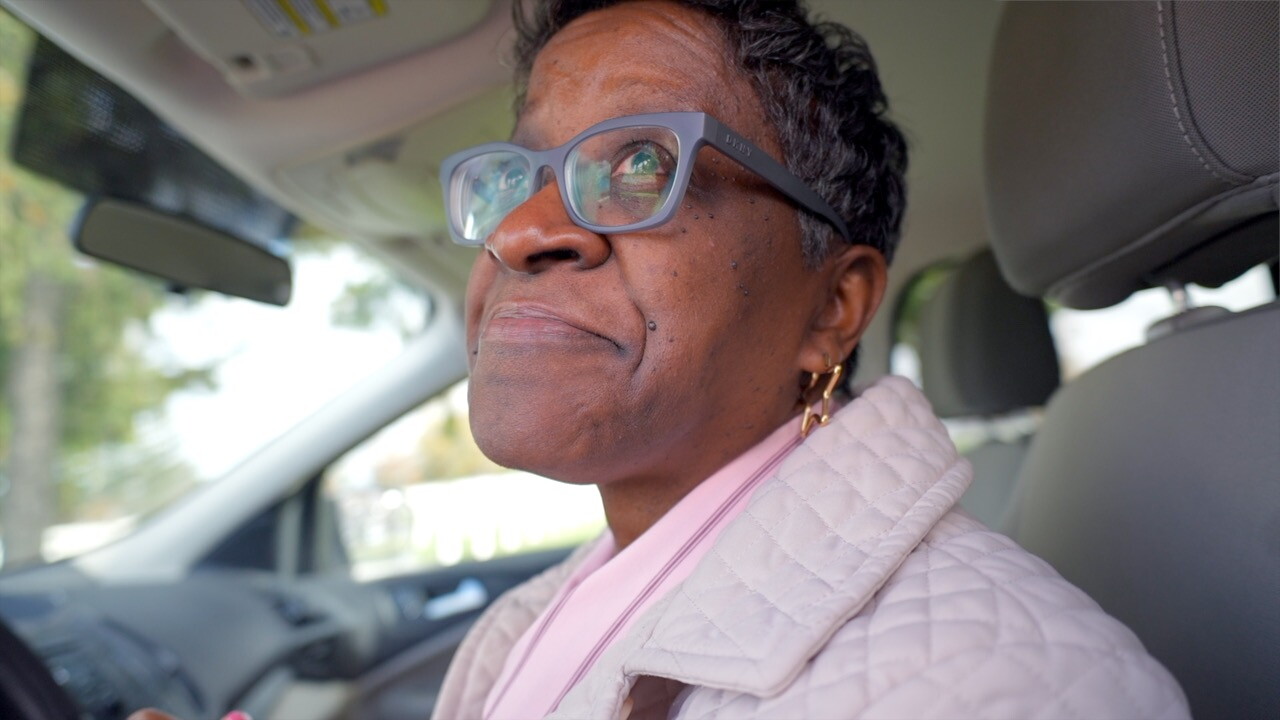


DAYTON, Ohio — They don't know what to do with the flowers. Or who should take them.
“They'll rot,” said the person who just ended the funeral. “There’s nobody coming.”
So Cayce Gray hugs a cemetery official and then puts the red, white and blue flowers in the back of her small SUV. When Gray attends funerals, she is usually one of the only people there. She is not family. And she did not know the deceased before they died.
Gray is the coordinator of the unclaimed remains program for Cincinnati’s Health Department. And she’s there because nobody else is coming.
“We become their family,” Gray said.
WATCH: No family. No friends. This team makes sure they’re not buried alone
In her office in Over-the-Rhine, there’s a bag of bullets on her desk. Gray gets those at military services, along with name cards. When I get there, she’s on the phone finalizing what words will go on markers for two veterans in a columbarium at Dayton National Cemetery.
“Gone but not forgotten,” Gray said.
She shows me the map where they'll end up and tells me she doesn’t like to use religious symbols, because she doesn’t know what that person believed. She doesn’t know much at all.
“I receive referrals either from the hospital, the coroner’s office or the nursing home,” Gray said. “They cannot locate a family member. Or the family member says I'm not able to take care of those final arrangements — and they have exhausted all costs — then they end up in the program.”
So far this year, Gray has helped lay 41 people to rest. Two years ago, it was more than 50.
“They are human beings,” Gray said. “And we have to take care of them.”
Gray pulls up a few emails from families she's helped before. She keeps them printed out in a folder near her desk. Something to look at when the job gets tough.
Because it often does.
“Dealing with death every day is not easy,” Gray said. “I can’t imagine dying, and no one (is) there at your funeral.”
She tells me she received four referrals recently — including one the morning of the service I attend with her. At least one of those referrals is for someone who was experiencing homelessness.
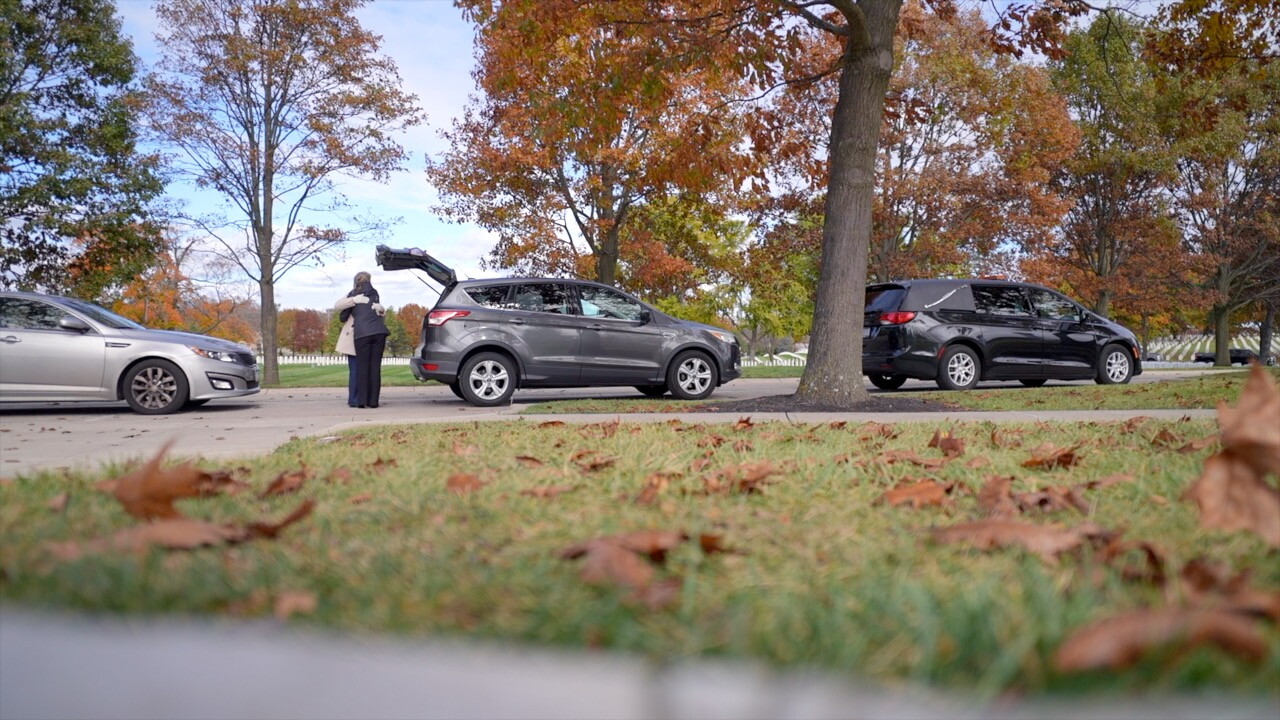
After Gray tries to track down family, she checks to see whether the deceased is a veteran. If they are, she contacts Dayton National Cemetery. There, honor guards — and sometimes the public — show up to read a veteran’s name aloud one final time.
This time, there's a rifle salute and "Taps." Gray sits in the front row and is soon holding a folded American flag. After she puts those flowers in her car, I ask if it was a hard day or a fulfilling day.
“Both,” Gray said.
And then she starts to cry. Not for the first time.
“It’s a worthwhile day,” Gray said, wiping her eyes with a tissue. “I’m just thankful I’m allowed to do this work.”
