



CINCINNATI — On April 1, Cincinnati City Council voted to extend temporary restrictions on the construction of data centers in the city through the end of 2026.
The restrictions were originally put in place for three months in February to allow the Cincinnati Department of Planning and Engagement to conduct a zoning study. The study will review the impact of data center development on more than 22,000 parcels of land in the downtown area, industrial zones and manufacturing zones, according to Councilman Mark Jeffreys.
"We don't even have a classification for data centers," Jeffreys said. "This will classify it. It'll also share recommendations on how we should think about thoughtfully regulating them, and without that, we're flying blind."
Prior to the action by council, Jeffreys said data center developments could move forward in the city automatically as long as they adhered to the zoning in their area.
While the study is being completed, an Interim Development Control Overlay District will remain in place, creating a zoning review process for any potential development on the parcels of land.
WATCH: Here's how Cincinnati is looking to handle future data center development
As part of the review process, developers seeking to build a data center must first submit materials to the Department of Planning and Engagement. From there, the department will make project recommendations to the planning commission, which will review plans based on factors like neighborhood compatibility, water and utility use, adverse effects and public benefits.
Jeffreys said the city expects a couple of data center proposals to come before the commission under the new review process in the next several weeks.
"We want to do this very thoughtfully. We don't want to ban it, but we also don't want things automatically to go forward until we figure out what is the right regulation," Jeffreys said.
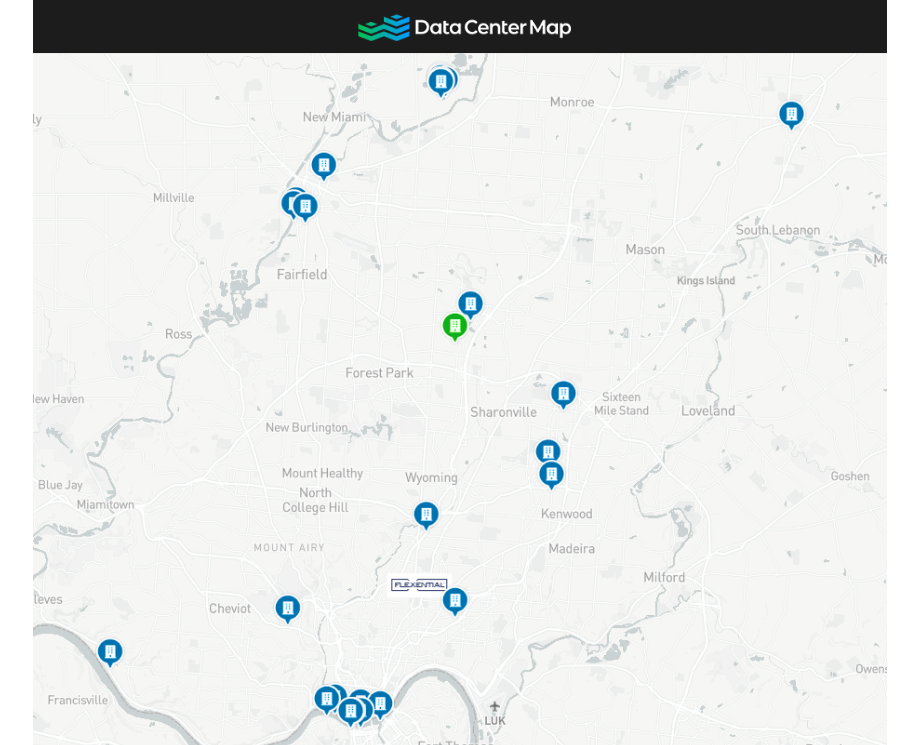
According to Data Center Map, 27 data centers currently operate in Greater Cincinnati, including seven in or near the downtown area. Jeffreys said most of those data centers are unlike the massive facilities making headlines in more rural areas.
"A lot of the big companies that are here— Procter & Gamble, Kroger, Fifth Third—all of them require data, and therefore they have smaller data centers," Jeffreys said. "Right now in Cincinnati, they're not the massive data centers that you see and you hear about."
Jeffreys said the city is also evaluating the impact on job creation. He said that while building a data center requires construction labor, the ongoing employment numbers are typically low.
"Most data centers, after they're built, there are not a lot of jobs per square acre," he said. "That's one of the things that we need to think about."
Jeffreys said the city wants to be proactive in zoning appropriately for both smaller office-based data centers and larger structures built on larger parcels of land.
This story was reported on-air by a journalist and has been converted to this platform with the assistance of AI. Our editorial team verifies all reporting on all platforms for fairness and accuracy.
