



WILMINGTON, Ohio — What started as a citizen push to put guardrails around Wilmington’s growing data center industry has now turned into a legal fight over who gets to decide what voters can even see on the ballot.
After months of organizing, gathering signatures in the summer heat, and drafting a sweeping proposal aimed at regulating data centers, Wilmington residents lost their battle Friday in the Ohio Supreme Court.
In a 6-1 ruling, the court sided with the Clinton County Board of Elections and blocked the citizen-led initiative from appearing on the November ballot.
WATCH: Wilmington resident Quintin Koger Kidd reacts to the Ohio Supreme Court's ruling:
At the center of the decision was one section of the proposed ordinance that would have allowed nearby residents to sue data center owners directly if they believed the facilities violated local rules.
The proposal would have allowed courts to issue daily fines, attorney fees, injunctions, and even operational shutdowns.
The Ohio Supreme Court ruled cities like Wilmington cannot create those kinds of brand-new legal rights through a local ballot initiative.
“The proposed ordinance at issue here purports to create a new cause of action and therefore is not within the municipality’s power to enact,” the court’s majority wrote.
The ruling means voters will never get the chance to vote on the proposal this fall.
For Quintin Koger Kidd — one of the residents leading the effort — the decision was frustrating.
“You know, disappointment, of course,” Kidd said. “We thought we had a good proposition to go out to the community with. It provided quite a bit of protection that the current city council has not seen fit to provide to the community.”
The proposed ordinance targeted nearly every major concern residents have raised about the rapid expansion of data centers into Wilmington.
It included regulations on:
- Noise levels
- Water use
- Chemical discharge
- Light pollution
- Generator testing
- Heat generation
- Long-term decommissioning plans for the massive buildings
“Well, what we were hoping would be successful was it provided regulations around noise, water, what chemicals are going into the water, light, following Dark Skies standards, decommissioning,” Kidd said.
The proposal also included enforcement mechanisms residents argued were necessary to make the rules meaningful.
But the Ohio Supreme Court said those enforcement provisions crossed a legal line.
The majority ruled the ordinance expanded who could sue, broadened penalties courts could impose, and created new legal remedies beyond what Ohio law currently allows municipalities to establish through citizen initiatives.
One justice disagreed.
Justice Michael Fischer wrote in a lone dissent that boards of elections should not be making complex legal judgments about proposed laws before voters ever get a chance to weigh in.
“Even if the proposed ordinance is outside the municipality’s authority to enact, that is a legal determination that must be made by the judiciary in the [post-enactment process],” Fischer wrote.
Kidd pointed to that dissent during an interview with WCPO 9.
“There’s been an open constitutional question around whether or not boards of elections should be making these deep legal judgments that was required to be made in this case,” Kidd said.
Kidd also said even the chairman of the local board of elections acknowledged how difficult those legal decisions can be for election officials.
“These are decisions that we really aren’t qualified to make, but the state tells us we have to,” Kidd recalled the chairman telling him after the hearing.
Despite the setback, Kidd says the effort is far from over.
“There will be another version,” Kidd said. “I’ve already started working on it.”
He said the next proposal could go even further than the first — including rules dealing with construction traffic, road damage, temporary worker housing, and additional protections for nearby neighborhoods.
“This is a community where I choose to live,” Kidd said. “I want my community to be the best version of itself.”
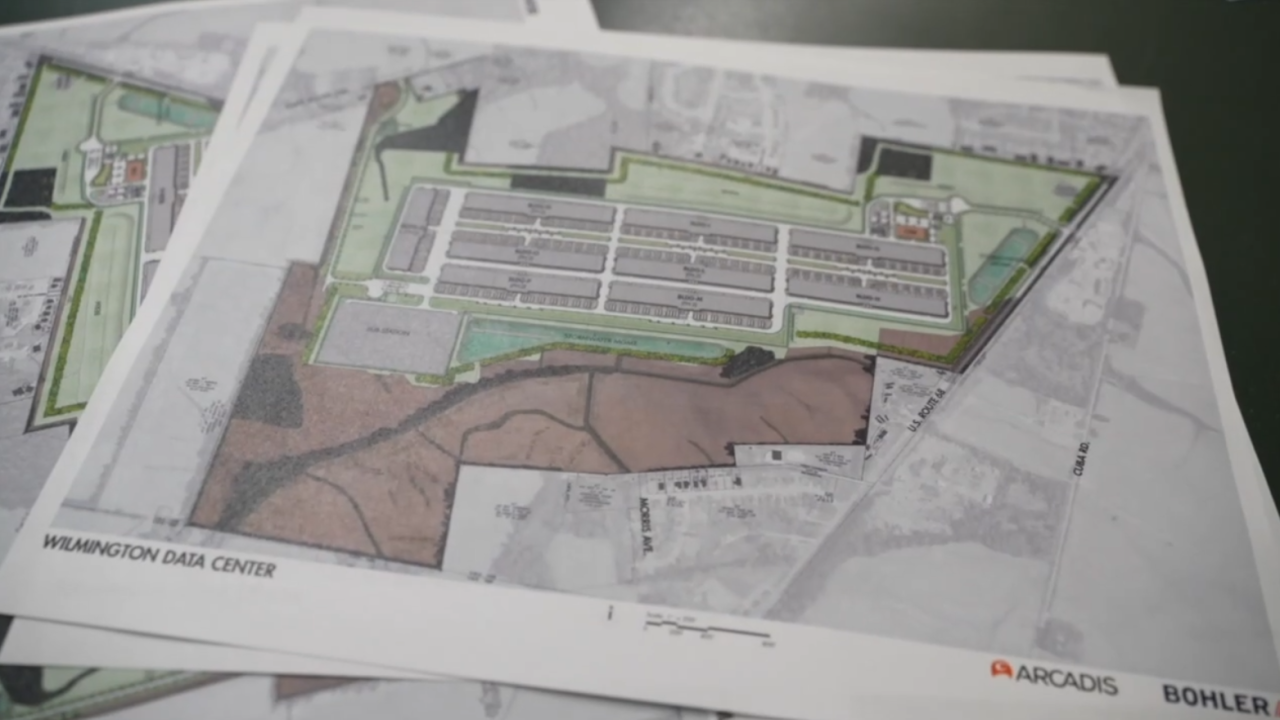
The Supreme Court ruling does not affect four separate Wilmington-area referendums already headed to voters this November tied to rezoning land for another proposed data center project.
This story was reported on-air by a journalist and has been converted to this platform with the assistance of AI. Our editorial team verifies all reporting on all platforms for fairness and accuracy.
