

WILMINGTON, OH — Farmers from Clinton, Highland, Clermont County, and surrounding areas gathered in Wilmington last week for a presentation put on by Pioneer, where test plot results and field conditions were the talk of the field.
Attendees had the opportunity to review how Pioneer's test plots performed this year and ask questions about issues emerging in their fields. Weather was a big part of the conversation.
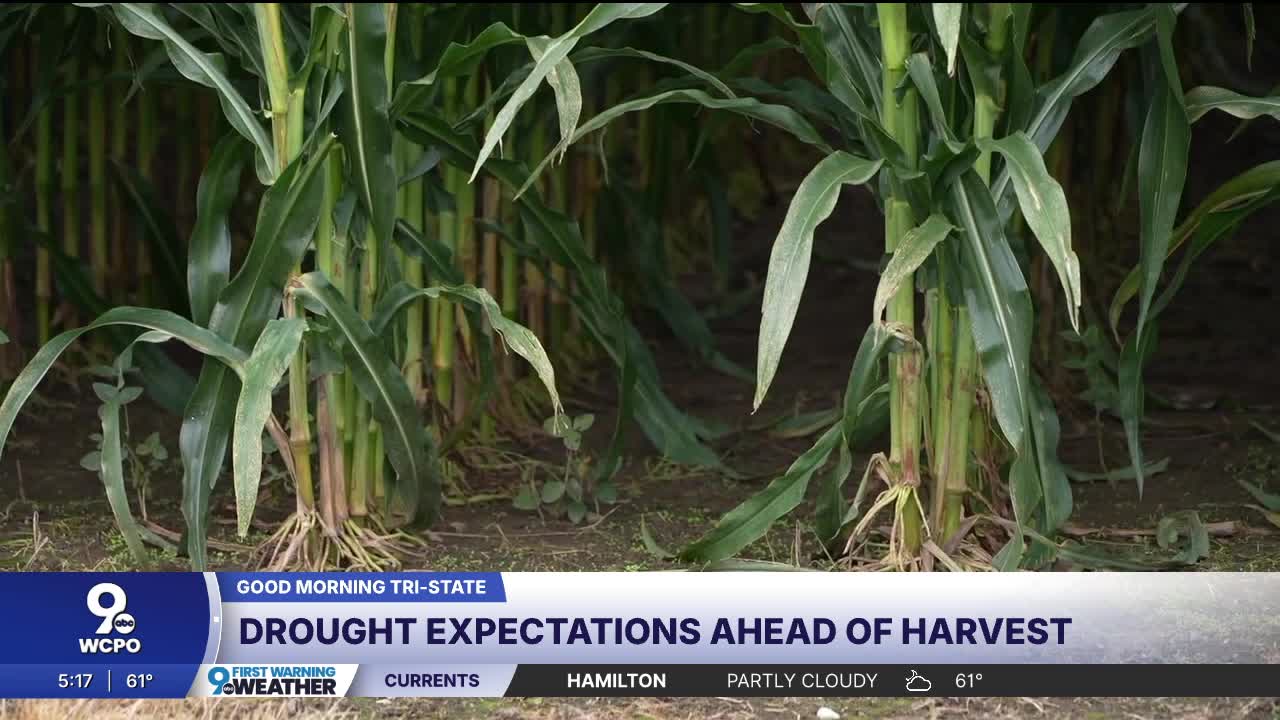
I reviewed drought monitor data ahead of the event and shared observations with the group.
"I went back and looked at the drought monitor. It's typically mid-July to August 1 when we get most of our drought beginning, especially the last four seasons. August 1 is where we start to teeter into drought, and then we head to abnormally dry to moderate drought conditions by late August, early September. This year there are zero indications of any of that happening," I said.
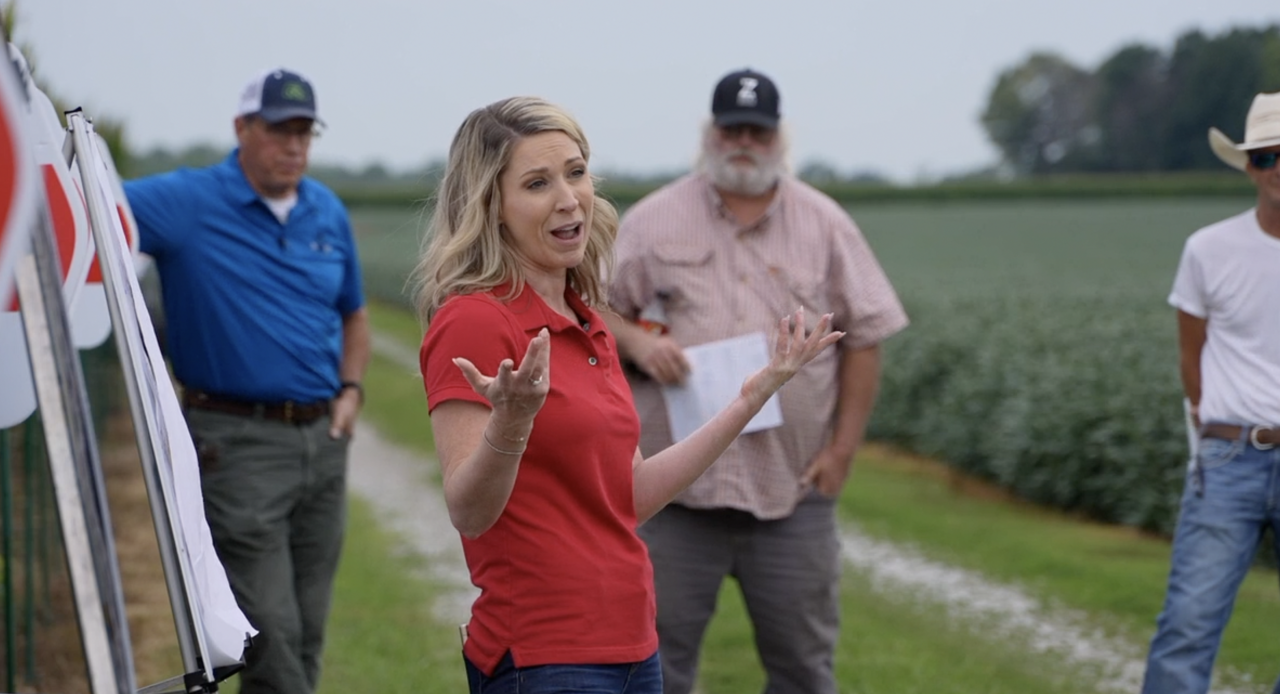
Most of the crop went in early this season by late April. May turned rainy and that them continued into a wet summer. Several farmers said the rain could stop now and they would be just fine, noting that too much additional rain at this point could promote mold or other issues.
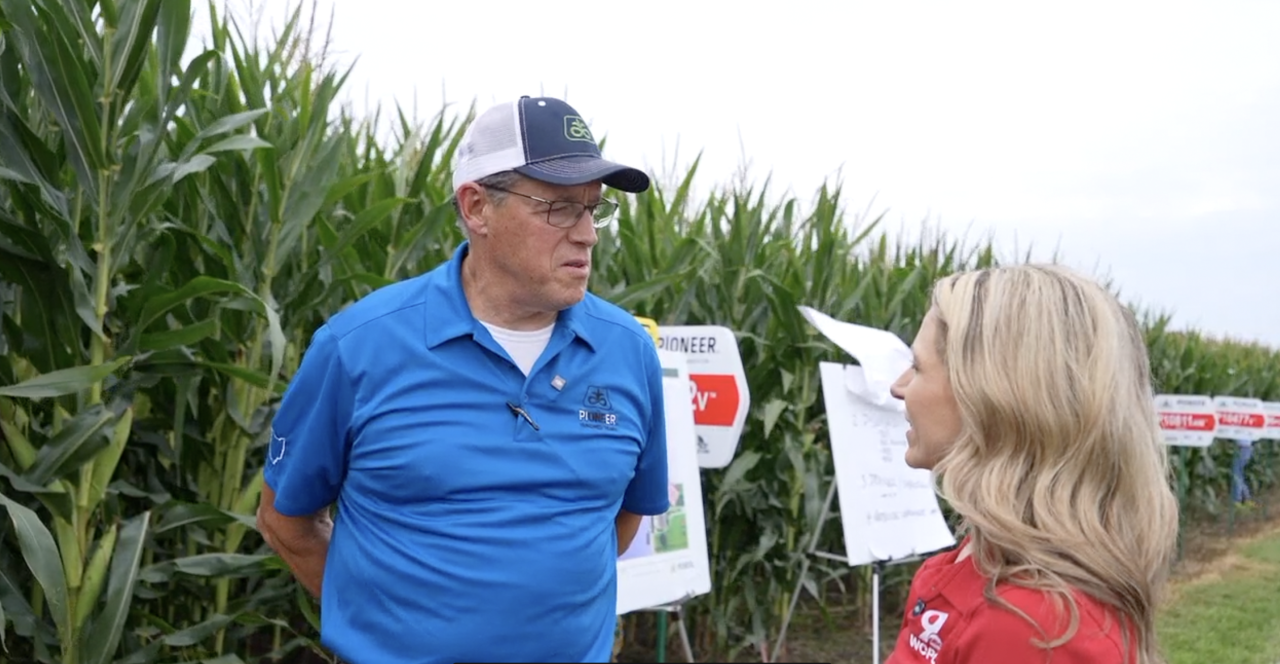
Pioneer Seed Field Agronomist Troy Putnam said the wet conditions over the summer are a welcome sign.
"I'm excited about (the lack of drought) because it's been a while since I've been able to walk a field in August and have mud on my boots, so I like that!" Putnam said.
I wanted to know what this would mean for yields for both corn and soybeans.
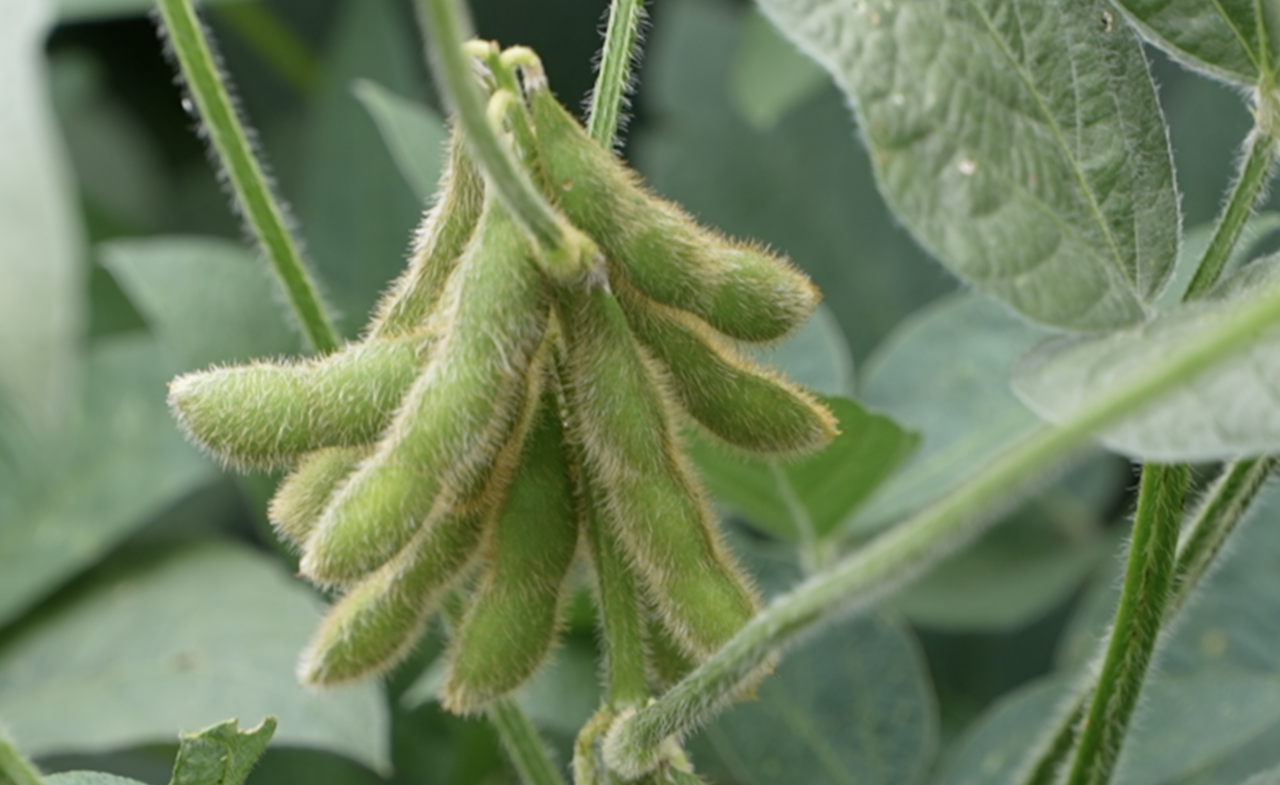
"What this means to soybeans is usually 5, 6, 7 extra bushels because we're wet in the middle of August and they're feeling good. They're putting on, they're holding onto the extra pods. On the corn, it can mean a kernel depth that can be larger kernels. It can be a heavier starch as we continue — and that's where the bushels come from," Putnam said.
Long-standing farming families in the area, including the Winemillers and the Settlemyres, know that conditions can change abruptly. But the prognosis for 2026 is looking promising.