



PIERCE TOWNSHIP, Ohio — Clermont County is ready to proceed with a lawsuit against the owners of the former Walter C. Beckjord coal plant to force them to clean up toxic coal ash before it contaminates the region’s drinking water supply.
The Clermont County Board of Commissioners issued a formal Notice of Intent to Sue owners and former operators of the retired power station on June 1, giving them the legally required 90-day notice to remove the billions of pounds of coal ash from the site and conduct other safety and remediation efforts, or it would file a lawsuit.
That deadline is set to expire.
WATCH: Commissioner David Painter talks about how Clermont County is ready to file a lawsuit
“I’m ready,” said Commissioner David Painter. “Here in Clermont County, the commissioners of this county are prepared to enter into a federal suit to bring this to a head.”
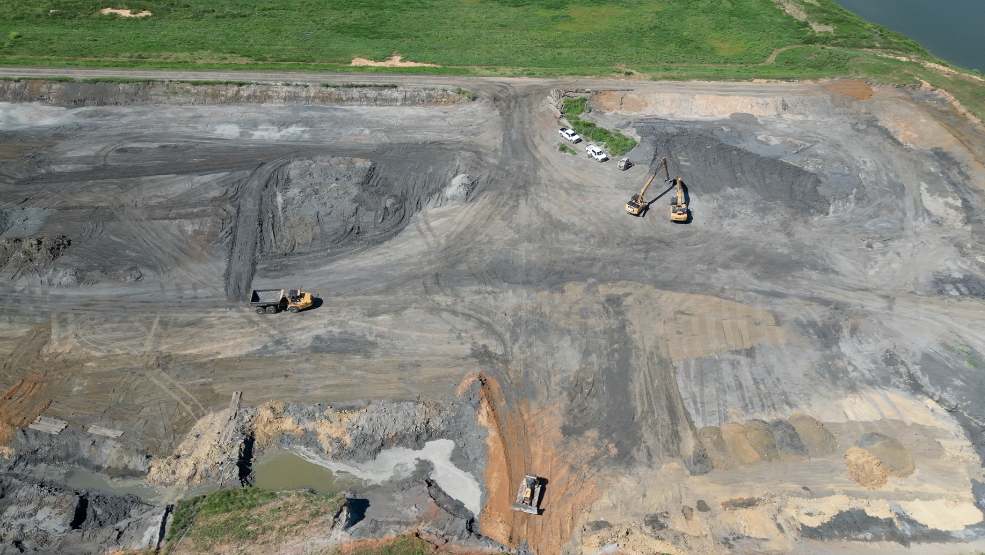
Leftover coal ash is stored in unlined ash ponds in the Ohio River floodplain, which is the drinking water source for 5 million people in the region. The ash pits are just 1,000 feet away from Clermont County’s primary drinking water wells for 145,000 residents.
"CCR waste cannot be left in contact with groundwater," Painter said. "That is one of those legacy things that always goes bad."
If the county’s wells were contaminated, Painter said it would cost an estimated $30 million to install a system that would clean the public drinking water.
WATCH PREVIOUS: Everything we know about allegations that the Beckjord site is mishandling coal ash
“The good citizens of Clermont County should not pay to have to put a system in to remediate waste from a large producer,” Painter said. “If you produce it and you reap the benefit from it, then you should have to dispose of it properly.”
Built in the 1950s as a giant coal-fired plant, the Beckjord plant produced electricity for hundreds of thousands of homes and businesses across Southwest Ohio.
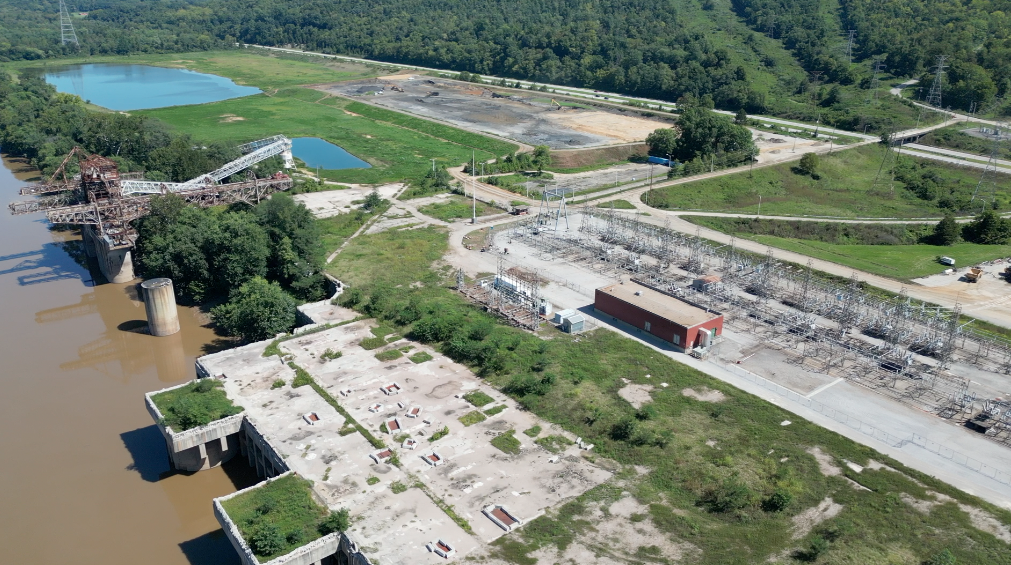
Duke Energy closed the plant in 2014 and sold the 1,400-acre site four years later to Missouri-based Commercial Liability Partners and its subsidiary, the New Richmond Development Corp.
CLP did not respond to a request for comment. The company specializes in rehabilitating former power plants.
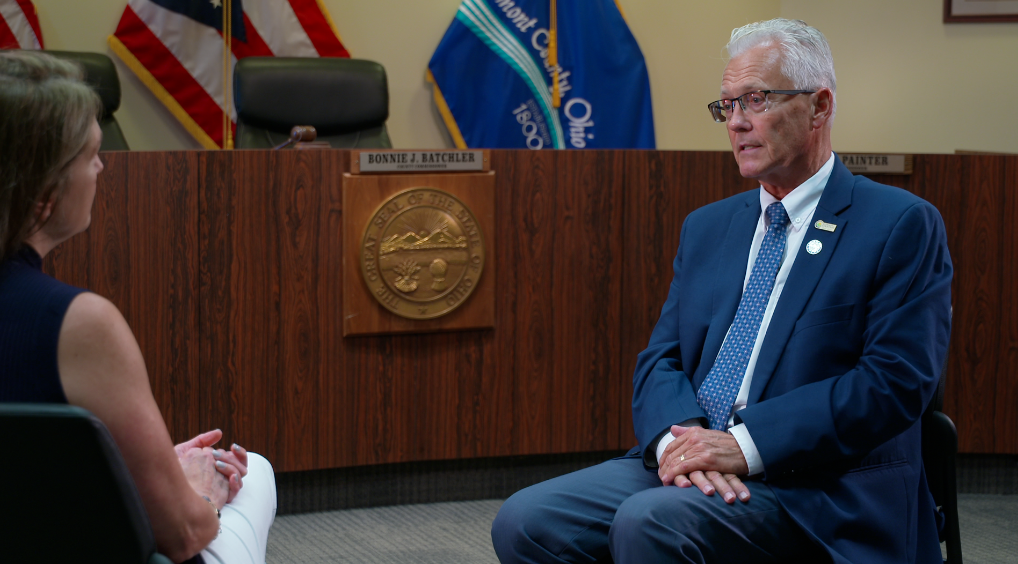
“We have environmental lawyers on hand right now; all it really takes is a meeting with them,” Painter said, referring to an executive session to discuss pending litigation. “So, it would just mean a decision from the dais here that says move forward.”
The Beckjord cleanup has been controversial. The WCPO 9 I-Team has been reporting on issues and incidents at the site for more than six years.
Residents complained about blowing clouds of coal fly ash in July 2020. Fly ash is the by-product of burned coal. According to the EPA, the powdery substance may contain low levels of radioactivity and contaminants such as mercury, cadmium and arsenic.
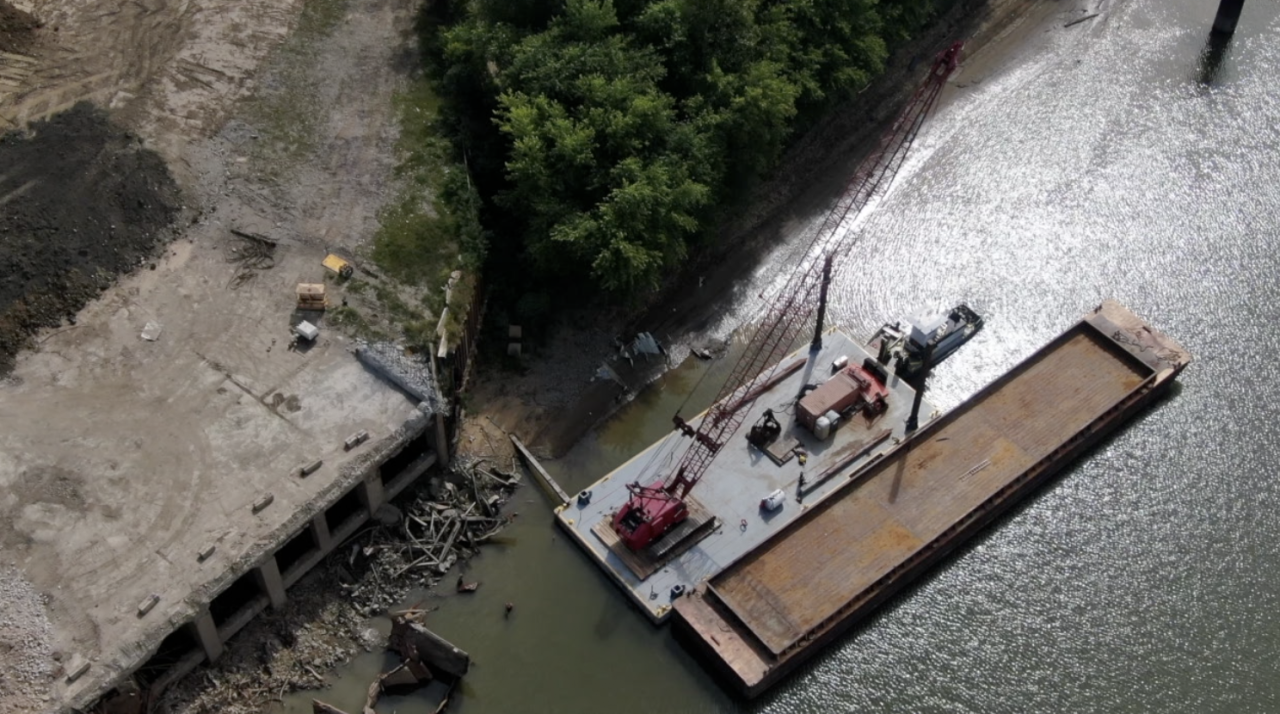
During demolition in February 2021, the main Beckjord smokestack crashed into the Ohio River, which is the main water source for 5 million people. Cleanup of the submerged debris took months.
In 2023, the I-Team discovered that two wells for monitoring groundwater for contamination were missing or damaged, but county officials were unaware.
WATCH PREVIOUS: Why did Beckjord smoke stack fall into the Ohio River and when will debris be cleaned up?
The WCPO 9 I-Team also found that one of two interceptor wells meant to protect county drinking water from a migrating sulfate plume has not been operational since 2023.
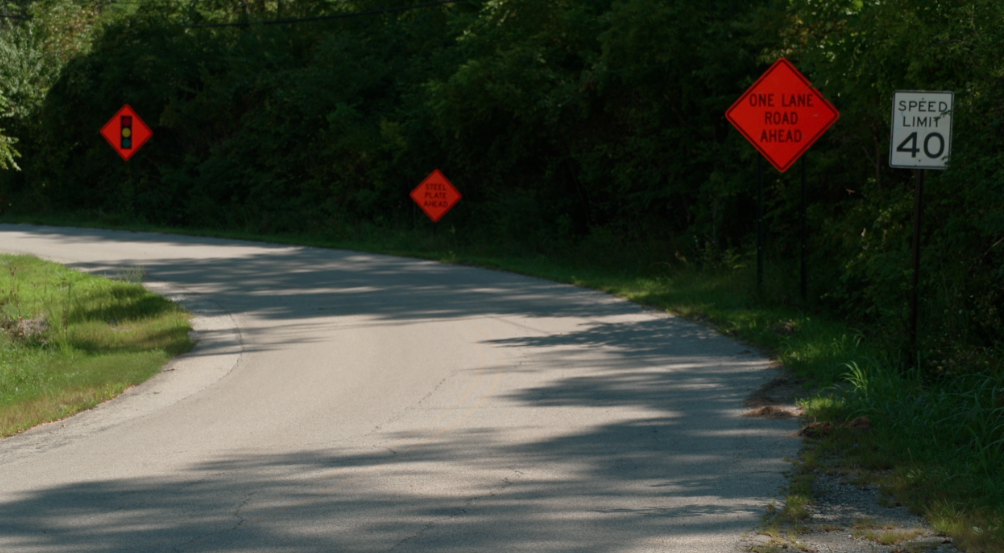
Now there is a new problem, involving CLP’s heavy truck use on Beckjord Road, which authorities said has crushed and damaged the road.
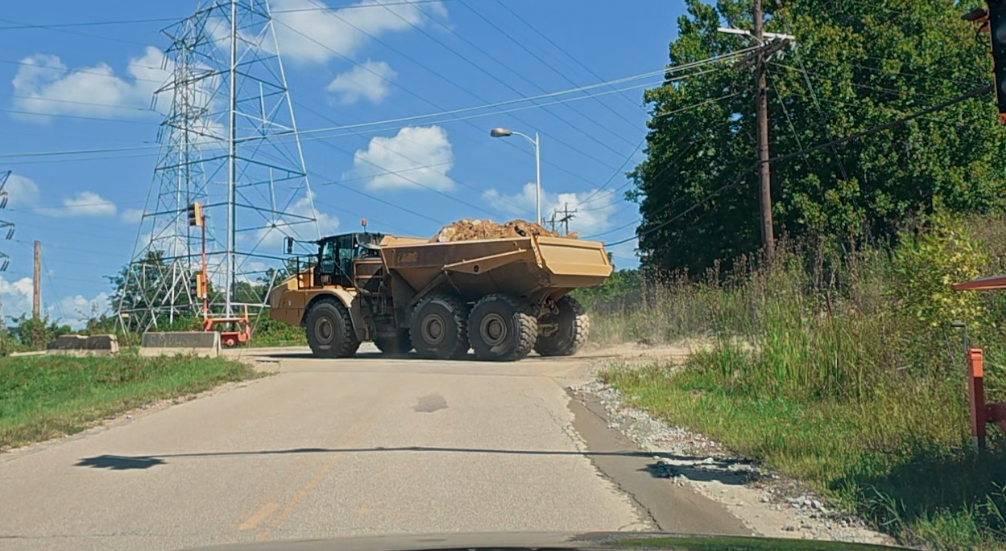
“They are required to fix it,” said Pierce Township Board of Trustees Chair Allen Freeman. “Our concern is that they won’t. We’ve asked them to do a $100,000 bond to guarantee that that work will get done and that they will pay it. And they have been reluctant to actually sign off on the bond, so stay tuned.”
Freeman said the township is considering closing Beckjord Road for CLP’s vehicles or filing a lawsuit.
If the county or the township sued, they would be the second or third case locally against CLP involving Beckjord.
A group of 100 Pierce Township residents filed a federal lawsuit in 2020 claiming the company violated a 1986 agreement to inform the public about contaminated waste disposal.
A portion of that case is set for trial in November, involving the destruction of trees in a greenbelt that was meant to buffer the site from residents' homes.
U.S. District Judge Michael Barrett had dismissed other claims made by the nonprofit Neighbors Opposing Pit Expansion, on technical grounds, ruling that people who lived near the Beckjord site did not have legal standing to sue over its contamination.
But Barrett reversed his decision earlier this month. He reinstated the Pierce Township citizens’ claims for damages and cleanup from coal ash contamination, which will now move toward trial.
This came after attorneys for NOPE asked the judge to overturn his decision based on a similar case in Alabama. The 11th U.S. Circuit Court of Appeals unanimously ruled in May that a citizen environmental group did have the right to sue over 21 million tons of toxic coal ash in unlined pits on the banks of the Mobile River.
