



BATAVIA, Ohio — Clermont County could be in the national spotlight regarding the future of data centers, with Commissioner David Painter tapped to lead a group advising the U.S. Environmental Protection Agency.
U.S. EPA Administrator Lee Zeldin chose Painter to chair the Local Government Advisory Committee. The group will advise the EPA on the challenges local governments face in siting and developing artificial intelligence infrastructure and data centers at its first meeting on Sept. 25.
Painter was a member since 2023, but the committee had been largely inactive since President Donald Trump took office in January 2025 and is now being revitalized.
While Painter is the only Ohioan on the 22-member committee, there are two from Indiana: Connersville Mayor Chad Frank and state Rep. Kendall Culp.
WATCH: We sat down with Painter to talk about his appointment to the group
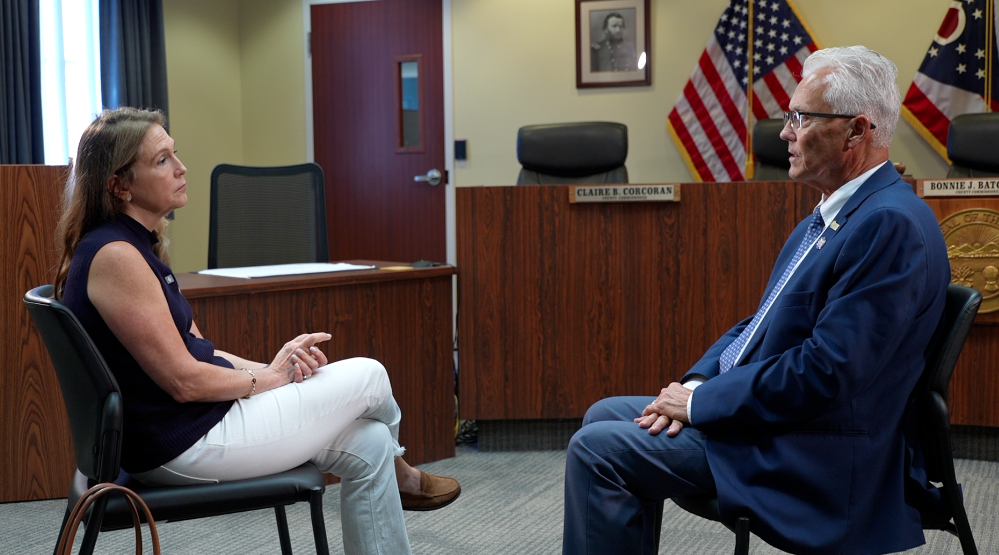
WCPO 9 I-Team reporter Paula Christian spoke with Painter on Aug. 25. The following are excerpts from that interview. Some answers were shortened for brevity.
Would you talk about the topics for your first meeting?
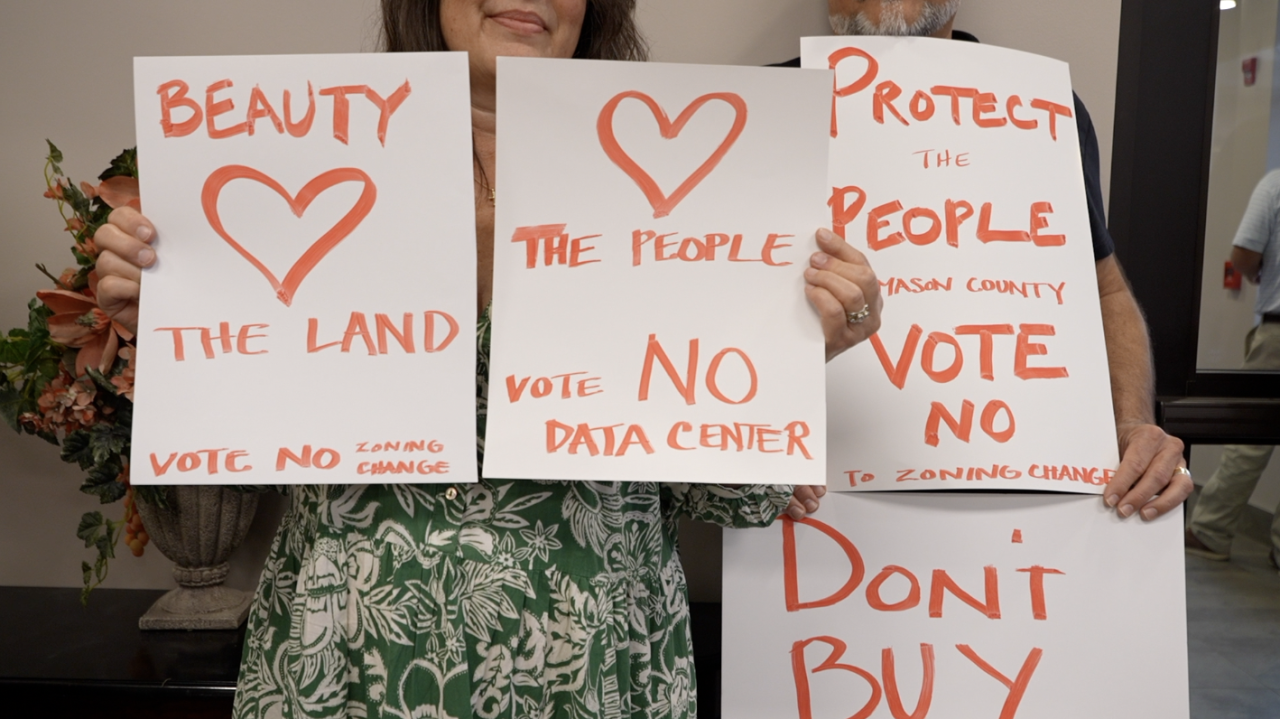
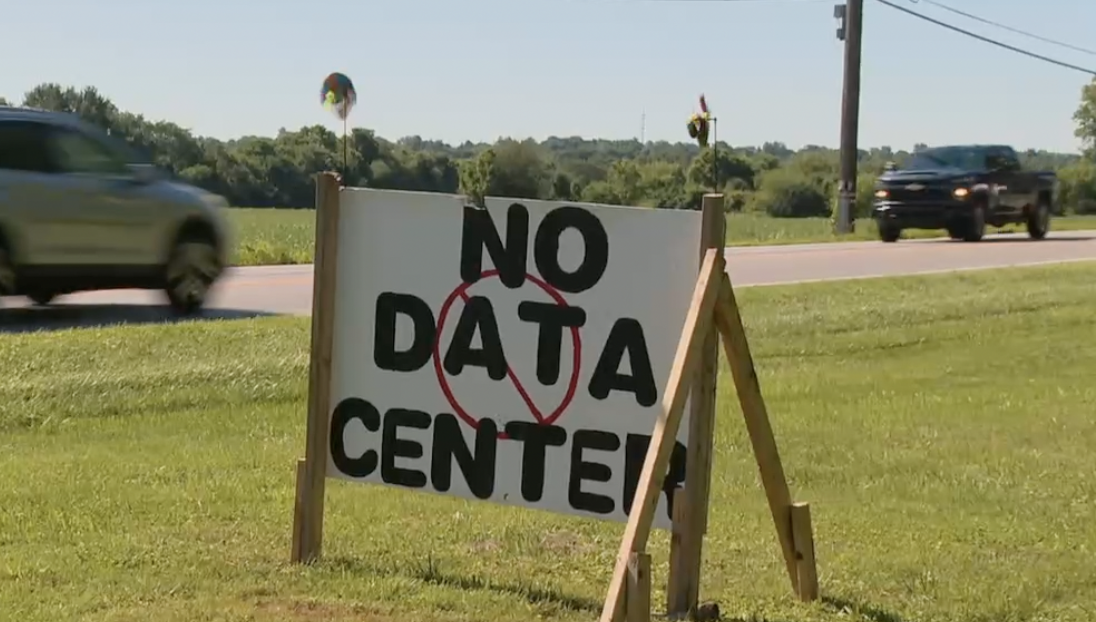
AI and data centers are the first two topics up for the LGAC committee... I think there’s been a lot of pushback on data centers, on where they’re located and what regulations they’re governed by, and how they are sited.
So many communities don’t want data centers in areas where they could be used for revitalization, not only of commercial business, but residential places, and rightfully so.
There’s going to be a lot of discussion about that and about closed cooling systems. People are worried about the amount of water that a data center might use ... now we’re talking about closed cooling systems where you don’t have to have a big reliance on groundwater and a lot of effluent to actually dispose of.
Do you feel as if the group’s stature will be more elevated this year because you are talking about big topics like data centers?
When I was interviewed for this position, Administrator Zeldin and I had frank conversations about that. I’ve been in the environmental business my entire life, my whole career, 40 years.
I have always taken the position that you have to make progress when it comes to things here in America. However, you can be responsible to the environment … you have to plan a project with the disposal requirements also included. Eventually, projects come to a close ... and then there are these waste products that could have been taken care of from the very start if they had been included in the plan. We had a long conversation about that. I feel confident that he is in agreement with that or is able to communicate to me where it needs to be adjusted a little bit.
But I have every intention of ensuring that our group understands that we can do projects here in the United States and have minimal to no impact on the environment if we plan for it up front... Where I came from, everything before it was used in a project was talked about. What its end result was, and I mean even the things that were produced in the office that were a portion of that project, you know, 'What are we going to do with all of these fluorescent light tubes?' Even those were included.
Tell us about your background in the industry?
I started in 1986, and I have worked in the environmental industry for more than 40 years. I have been a project manager at Fernald Ohio, here in Cincinnati, and also the project oversight manager at the East Tennessee Technology Program to clean up the environment in East Tennessee from the mighty K-25 enrichment process. I was also the construction manager for the DUF6 (Depleted Uranium Hexafluoride conversion facility) in Portsmouth, Ohio, to basically convert the DUF6, which was left over from the enrichment process, into a process for disposal.
Do you feel like Ohio has become an elevated state when it comes to data centers?
I would say right off the bat, the administration currently here in the state of Ohio has worked hard to make Ohio appealing to companies throughout the world, and I would want to make sure that they get credit for that. Recently, Ohio was identified as the place to do business in the United States. They have done a great job attracting business. I would expect that will attract new ways to produce energy, and it will attract new ways to use data, to collect data and be able to store data.
My job is a little different. They’ve kind of set the stage for it, and now my job will be to give advice to the federal EPA on how they can manage the waste products and/or make it as low as reasonably achievable as far as impacting the environment.

What about somebody who says, “I don’t like data centers?”
I get it. I get that. We are going to use data. There’s going to be a need for data. There’s a place for data centers, and maybe that is in areas where there are industrial brownfields that can’t be used for anything else. There are places that are available that have covenants on the deeds that say you can’t build residential there, and companies want to keep a particular piece of the infrastructure.
That should be decided by the townships, by the villages and by the cities. I think that’s one of the things that we’ve done a great job here in Clermont County. We have never mandated a plan for any company to come to Clermont County and to set up shop. Our plan has always been to find out the information and see if it’s feasible. Get it to the township, get it to the village, get it to the school system, and say, ‘Is this something that you want in your township? If they came back and said ‘No’, then we pass. If they say we don’t want it in our township, but one of the other townships says, ‘We’d love to have it’, then that’s where the discussion goes.
All these projects have always included sale agreements that had requirements in them that all of those stakeholders understand, and also had a requirement for negotiation with the school system to make sure that they got what they needed to be able to educate the children. That’s what it should be all about, and if we do it that way, I don’t think there will be a real problem.
What if the committee members ask your advice on how to make data center proposals more likeable to communities?
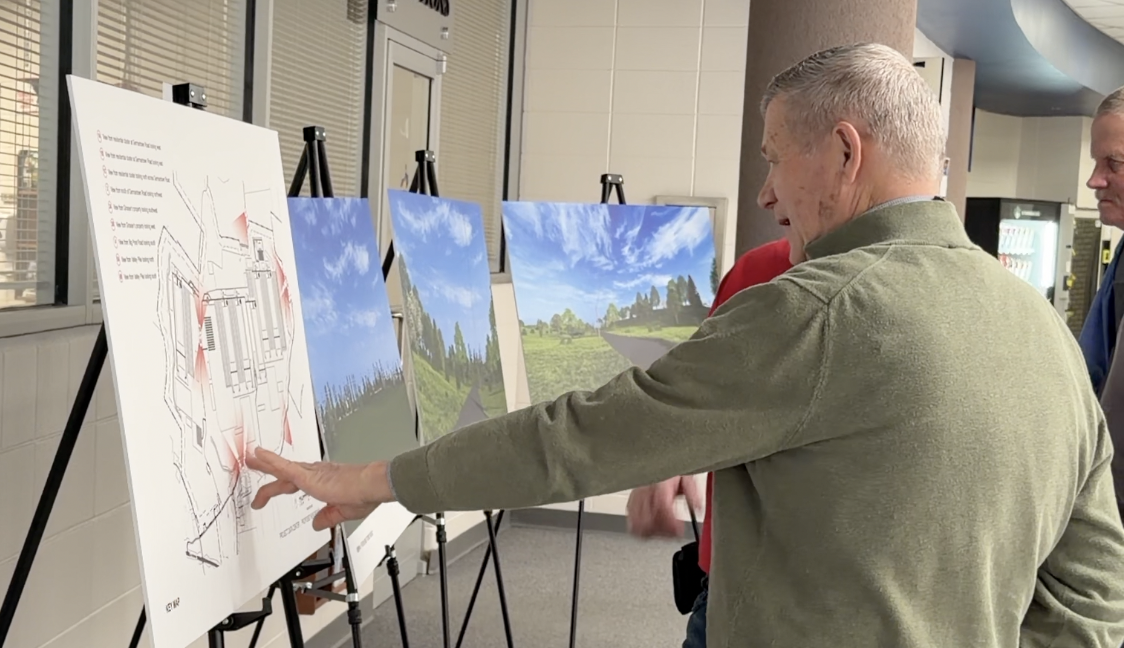
Well, let’s talk about development agreements. I think that’s an essential part of that conversation, and to use a line from "Field of Dreams," ‘What’s in it for me?’ What’s in it for your community? What’s in it for your township? Does this make sense? Is this something that you want to look at in depth? Find out if it's compatible with the lifestyle you want to live in your community.
Do you have personal opinions about data centers?
I do not. I do not … One of the things that I’m very interested in hearing about is the noise. I’ve heard a lot of people talk about the noise of a data center, and that’s due to low electrical hum. That’s something I haven’t experienced, but I’ll definitely make some trips to see how that sounds and what it really is. And those are all things that have to be talked about.
Are there any other topics you’d like the committee to discuss?
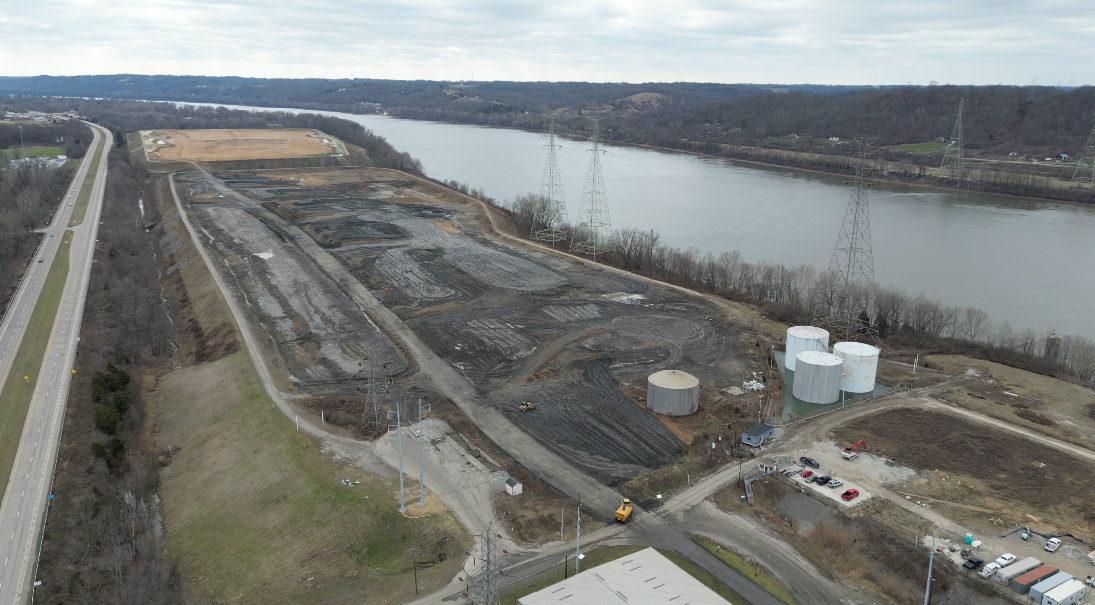
I think CCR is definitely one of those topics that needs to be further discussed. (Coal Combustion Residuals, or coal ash, are the byproducts left over after coal is burned in power plants, such as the former Walter C. Beckjord Generating Station near New Richmond.)
Because you would have a great viewpoint on how that has affected Clermont County.
That viewpoint has been shared not only in the County Commissioners Association of Ohio but in the national association. There are many people, many communities, many towns starting to have to deal with that situation. Some of them have dealt with it already with in situ remediation that just sits dormant.
In our particular case, there definitely needs to be a discussion about cradle-to-grave: how much liability can you divest from a company, or any? And the other thing is, planning up front would have done a lot for what Clermont County deals with at Beckjord; there’s no question. So now here we are in this particular situation, so yes, there needs to be a lot of discussion about that.
