



OXFORD, Ohio — It's a simple question: What do most people not understand about problem gambling?
But it prompts a laugh from Katrina Arroyo: "Everything."
Arroyo is the director of clinical programs for the Problem Gambling Network of Ohio. She goes on to tell me the average age of people who call the state’s helpline is getting younger, as the number of calls is increasing.
It used to be people in their 40s, and now, on average, it's people in their mid-20s who are calling for help.
The difference, she said, is sports betting.
"Everyone is doing it," Arroyo said. "If you were to go on a college campus and just eavesdrop, I guarantee you that’s a huge thing you are going to hear."
WATCH: We went to Miami University to talk to students about sports betting
Mady Bachmeier agrees.
"It’s quite literally everywhere," Bachmeier said. "And I feel like we need to become more educated about it as a campus."
Bachmeier is a member of the swim team at Miami University. She also works as a peer educator for the student wellness office.
“Sports betting has become a huge thing,” Bachmeier said. “So we’re trying to get information out about that to help people.”
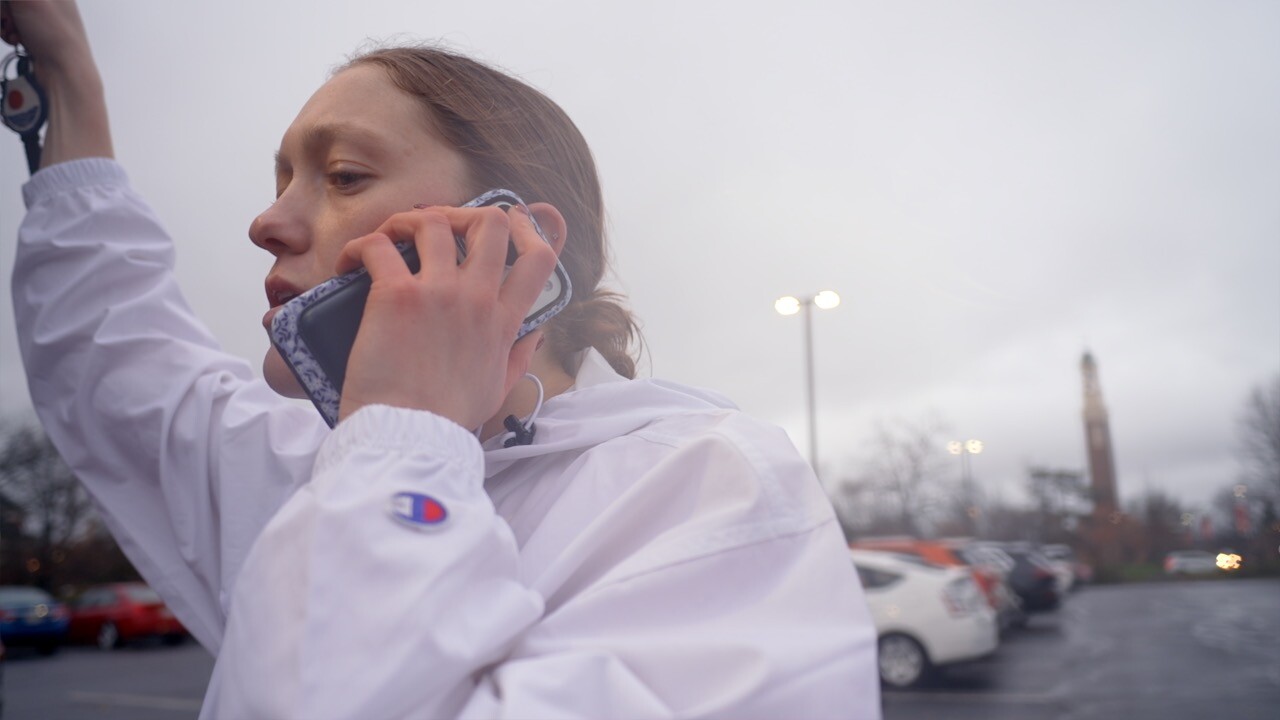
It’s why she’s standing in the rain on a Wednesday evening, a few days before brackets are finalized for March Madness. She’s passing out bags with resources for mental health, substance use disorder and sexual health.
Students like her do this every spring, but this is the first year they’ve included resources for problem gambling.

“Since COVID, our students are presenting with more anxiety, more depression and greater risk for suicide,” said Rebecca Young, director of student wellness at MU. “Adding on gambling addiction could be very detrimental to their success and their lives.”
Young tells me 6-8% of students nationally meet the definition for problem gambling. And at Miami, she says they’ve seen an increase, too.
That's why students with Bachmeier will deliver resource bags to about 1,000 off-campus residences — even in the rain, where one of the students’ umbrellas keeps flipping inside out because of the wind.
“Where I came from, these topics were just not something that were talked about,” junior Halie Seifert said. “I just want to do better for people than what was done for me.”
No matter where you live, if you or a loved one is struggling with gambling addiction, you can call 1-800-MY-RESET
You can find more resources by clicking on this link for Ohio and this link for Kentucky. Some of the resources include financial counseling, a way to block yourself from gambling establishments and software that can block gambling apps and websites on your phone.
