



AKRON, Ohio — Summit County jurors were unable to reach a verdict on whether former FirstEnergy executives committed bribery in what's been called the largest public corruption scheme in Ohio history.
The judge declared a mistrial.
WATCH:
The jury had been deadlocked on whether former FirstEnergy CEO Chuck Jones and VP Mike Dowling bribed former Public Utilities Commission Chair Sam Randazzo with $4.3 million to get beneficial rulings.
One of the jurors, Mark Baughman, said the seven women and five men on the jury reached an impasse as they considered the case.
"There were people who said that they weren't going to change their minds," Baughman said. "Most people thought they were guilty."
However, Baughman said that after nine days of deliberations, the jury provided a note indicating they could not reach a unanimous verdict.
The state accused Jones and Dowling of bribing public utilities chair Sam Randazzo with $4.3 million. and providing $60 million more in exchange for passing House Bill 6, a billion-dollar bailout for the struggling company, resulting in higher utility bills for consumers.
Randazzo died by suicide in 2024 after pleading not guilty to dozens of charges.
During the trial, the defense argued Randazzo was corrupt, claiming the payments to him were old consulting fees for former FirstEnergy clients that they say Randazzo stole.
Attorneys John McCaffrey and Steve Grimes represent Dowling.
They had 30 witnesses, 600 exhibits. They took nine days to really go through a lot of this evidence. This is a very complicated case," McCaffrey said.
"No jury is going to convict our clients because there's not sufficient evidence to do so, so we'll be ready and do it again if that's what the attorney general chooses to do," Grimes said.
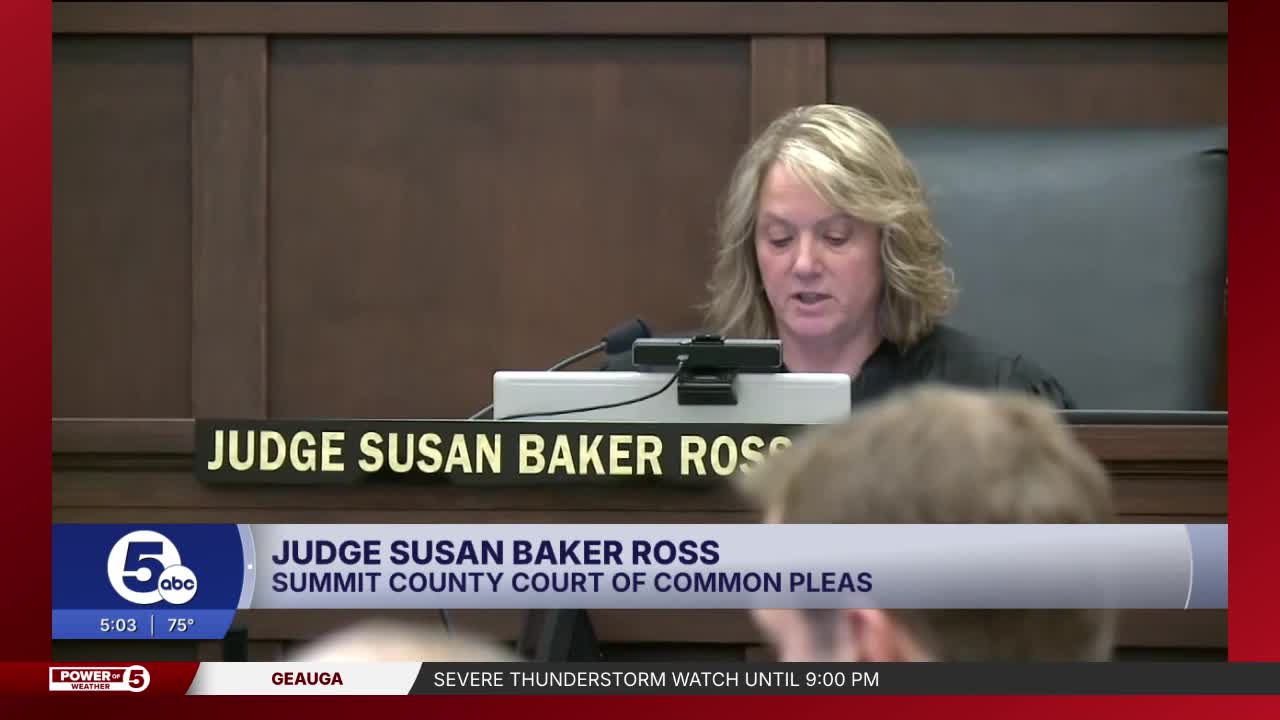
The possibility of a mistrial was first made public when the jury wrote a note to Judge Susan Baker Ross on Monday afternoon, asking, “If we cannot agree on the charge of bribery, do we evaluate the other charges?”
RELATED: What the jury doesn't know while deliberating the FirstEnergy corruption case
Along with likely facing another lengthy state trial, Jones and Dowling are both federally charged with racketeering. They have also been accused of spending $61 million to help create and pass House Bill 6. H.B. 6 was legislation to provide a billion-dollar bailout for the struggling company.
The jury went into deliberation without key pieces of evidence that could bolster the prosecution's case, ones that weren't allowed to be brought up during the trial. Not only were they not told that FirstEnergy, as a company, already admitted to this bribery, but they weren't informed that former Ohio House Speaker Larry Householder is currently sitting in prison due to accepting FirstEnergy's bribes.
RELATED: What the jury will be deciding in the FirstEnergy corruption trial
Ohio Attorney Dave Yost posted a YouTube video stating that the State of Ohio will retry the case.
"Justice needs to be done," Yost said in the video.
Matthew Meyers is the assistant attorney general who was the lead prosecutor during the trial.
"It's very clear they took this case seriously. They gave complicated evidence great consideration. The process unfolded the way it should so this remains a pending case," Meyers said.
Prosecutors asked for mistrial. The judge hasn't ruled on that request. Baughman said he wanted to keep deliberating, frustrated that after spending nearly two months on the trial, it ended in a hung jury.
"I felt like the the trial lasted so long that we should deliberate and do our due diligence," Baughman said.
FirstEnergy issued the following statement Tuesday afternoon:
Today’s FirstEnergy is a different company. We operate with clear accountability and stronger oversight, focused on doing what’s right for our customers and communities.
Over the last several years, we have taken meaningful steps to rebuild trust. We have taken responsibility for past issues, strengthened our internal controls and created a more transparent and accountable way of operating. Those efforts have earned independent recognition, including designation as a Zicklin Center for Business Ethics Trendsetter, reflecting our improved ethics and compliance framework.
We’ve also reshaped our culture. Our new leadership team is putting customers at the center of every action, moving decision-making closer to the communities we serve, and has made expectations for ethical conduct clear and consistent across the company.
For customers, this transformation means we’re focused on continued investment in a stronger, more resilient electric system to deliver reliable, affordable service today while building for the future.
Follow WEWS statehouse reporter Morgan Trau on Twitter and Facebook.
