



SPRINGFIELD TWP., Ohio — If you or a veteran you know is in crisis, call the Veterans Crisis Line now. Dial 988 and then press 1 — or click on this link. Scroll to the bottom of this article for more resources.
Victoria Levine’s foot rarely stops tapping. It’s under a table where five veterans are gathered to talk about legislation that could help people like them.
People who were sexually assaulted in the military.
WATCH: Survivors of military sexual trauma tell their stories
Levine joined the Marine Corps when she was 17.
“I was the oldest of eight siblings, and I wanted them to know anything is possible,” Levine said. “I’m just dealing with the aftermath.”
Aftermath that includes 17 different medications and struggles with intimacy. Aftermath that sometimes involves hiding from people in her home for weeks at a time — because she's worried about what she might do.
“This stuff does not go away,” Levine said. "It doesn't go away."
She remembers small details. Like how dark it was, and how she could see Christmas lights around the room. When she woke up, Levine tells me someone was on top of her.
It would not be the last person.
“I was drugged,” Levine said. “And I just started getting VA compensation three years ago.”
At least one in three female veterans experience some type of sexual trauma during their service, according to the Department of Veterans Affairs. And experts say those numbers likely underestimate the actual number of victims.
That’s why Lisa Youngblood, a Springfield Township trustee elected last fall, asked Levine to meet her.
“All of our stories are different,” Youngblood said. “But we all have that pain.”
And it’s why she’s sharing her own story publicly for the first time with WCPO 9.
“It’s exhausting,” Youngblood said. “Because I don’t think most people understand the impact.”
It took her years to get approved for VA benefits. It took appeals. And it took her spirit.
“I was angry,” Youngblood said. “I was really, really angry.”
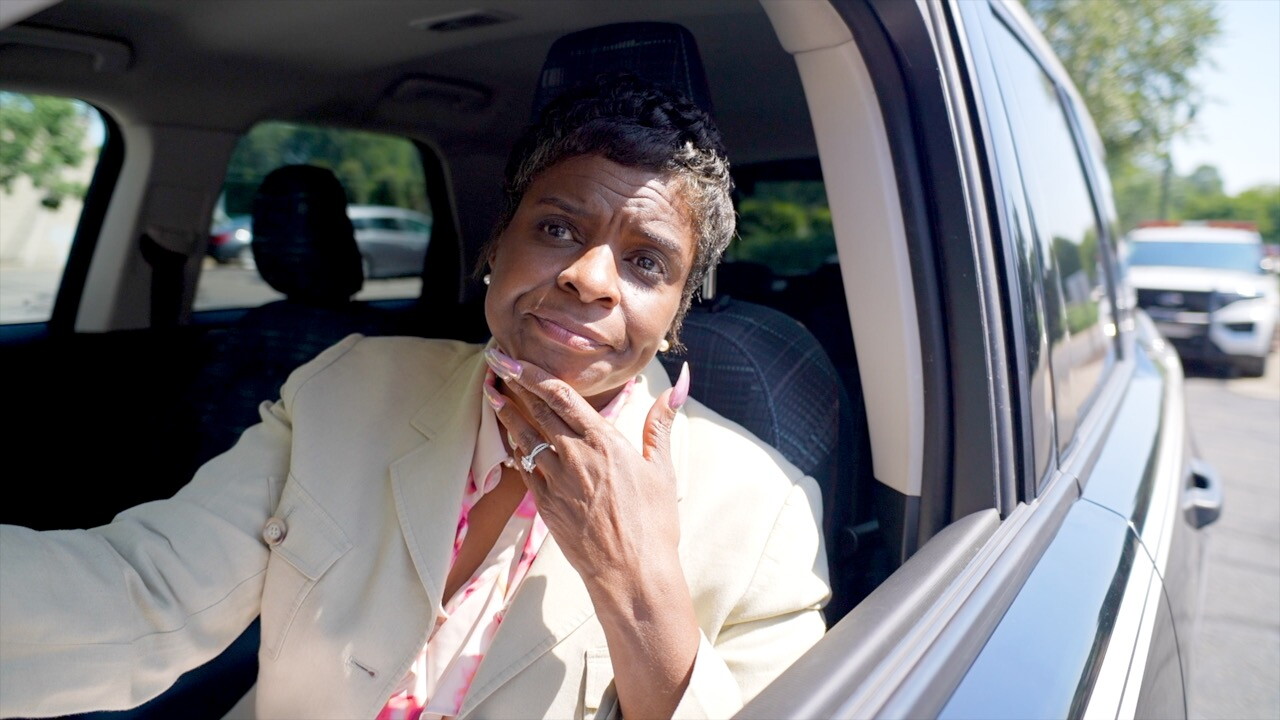
If passed, the federal legislation they're discussing would make benefits retroactive for survivors. Something Youngblood says is vital because victims don't often report what happened to them for years.
“It’s not just about we can get more money," Youngblood said. "No, it’s about knowing the horrific trauma and memories that veterans — men and women — live with for years before someone in authority says we believe you."
Youngblood brings a box of tissues to another veteran. I had asked Theresa Burns if she was assaulted more than once, and she answers immediately. Then, she begins to cry.
She tells me she’s been sober since a drunken-driving charge in 2002, problems she says stem from what she experienced in the Army.
“I was actually blaming myself,” Burns said. “For something they started.”
Back at the table, Levine put her glasses on and read parts of the bill, HR 7976. Lawmakers in California introduced it to the House of Representatives in March. It’s since been referred to a committee for veterans' issues.
As she explains all this, Levine's foot is still tapping.
“But would I change it? Would I not go into the military? No, I’m glad I went,” Levine said. “Despite what these guys thought they took from me, I’m still standing — I’m still here. And I’m still proud to be a Marine.”
Resources
More information about resources for military sexual trauma can be found by clicking on this link. If you or a veteran you know is in crisis, call the Veterans Crisis Line now. Dial 988 and then press 1 — or click on this link.
