



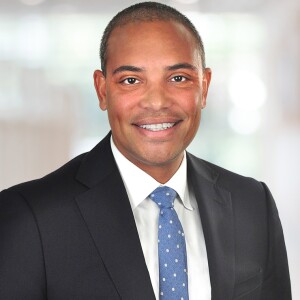
ERLANGER, Ky. — Bryan Hubbard has taken ibogaine twice. He does not describe it as enjoyable.
"This is not in any way a fun or recreational experience. I have received it twice. It is physiologically very unpleasant," Hubbard said.
Hubbard is the CEO of Americans for Ibogaine, an organization working to bring the plant-based psychedelic through the FDA's approval process as a treatment for post-traumatic stress disorder and opioid dependency.
Derived from a plant native to West Africa, ibogaine is currently only available at clinics in countries like Mexico — at a cost of thousands of dollars — making it inaccessible to most veterans who might benefit from it.
Hubbard said the substance is unlike any other psychedelic.
WATCH: Hear from Hubbard about his goals for the future of the medicine
"It is the most sophisticated molecule on the planet. It has a profound globalized impact on brain function, brain chemistry and the neural regeneration of brain pathways that have been set for a lifetime," Hubbard said.
Researchers at Columbia University, UC Berkeley and Stanford have studied ibogaine's neurological effects. According to Hubbard, the substance moves brain pathways into a state of malleability for approximately nine weeks following treatment — creating a window for individuals to reshape deeply ingrained patterns tied to trauma and addiction.
He also said the drug carries serious cardiac risks and requires medical supervision — an overdose can stop the heart. Patients typically experience 12 to 16 hours of semi-paralysis and are unable to move without assistance during treatment.
Hubbard's path to leading Americans for Ibogaine began in Kentucky, where he chaired the state's Opioid Abatement Commission starting in 2022. He proposed setting aside $42 million in opioid settlement funds to develop ibogaine as a breakthrough treatment — a proposal that was ultimately blocked after a change in gubernatorial administration.
He then helped transplant the initiative to Texas, where, on June 11, 2025, Gov. Greg Abbott signed the Texas Ibogaine Initiative into law — a $100 million state commitment to drive ibogaine's development through the FDA's approval process.
Hubbard appeared on The Joe Rogan Experience podcast to help build national momentum. In his second appearance on the podcast in March, he argued that federal progress on psychedelic medicine research had stalled and that a presidential directive would be necessary to overcome institutional barriers.
"When the cameras and microphones were off, I just looked right at Mr. Rogan and said, 'I need a favor,'" Hubbard said.
The favor was a meeting with President Donald Trump. And two weeks later, Trump signed an executive order that Hubbard said effectively ended federal prohibition of psychedelic medicine in America.
One month after the executive order, Hubbard formed a formal partnership with Disabled American Veterans, which is headquartered in Erlanger, Kentucky. DAV represents more than 1 million disabled U.S. veterans and has maintained a resolution calling for plant-based psychedelic research for six years. The organization also operates a website called "Mindscapes" dedicated to providing veterans with fact-based information about psychedelic medicines.
"Americans for Ibogaine, they have been something special. It's felt like that we are almost grabbing an electric fence when it came to partnering with them because they have so much energy," Rob Lewis, national communications director for DAV, said.
Lewis said the growing attention around ibogaine will help advance legislative proposals through DAV's Commander's Action Network at the state level.
The Mindscapes website is designed to give veterans reliable information without pressure.
"Veterans who want to know more about these medicines can find out about them in a way that is fact-based, in a way that is not proselytizing in any way, but is providing them with the necessary information so that they can make decisions about their healthcare," Lewis said.
Hubbard said his goal is FDA approval of ibogaine within six years, paired with the creation of a treatment infrastructure that makes it universally accessible by both availability and affordability. He is working to secure legislative commitments from 12 states, alongside Texas, to form a unified multi-state development trial that would push the effort to the federal level.
Bills have already passed in Oklahoma, Mississippi, Kentucky — where the legislature overrode a gubernatorial veto — and several other states. West Virginia's legislature passed a bill unanimously in both chambers, though it received a veto due to the absence of a funding mechanism. Ohio currently has a study committee examining potential legislation, with a full legislative push expected next year. A bill is also expected to be introduced in Michigan.
Hubbard said the stakes could not be higher.
"I'm so very thankful to have received affirmations of life saved already and hope we can scale it up," Hubbard said.
This story was reported on-air by a journalist and has been converted to this platform with the assistance of AI. Our editorial team verifies all reporting on all platforms for fairness and accuracy.
