

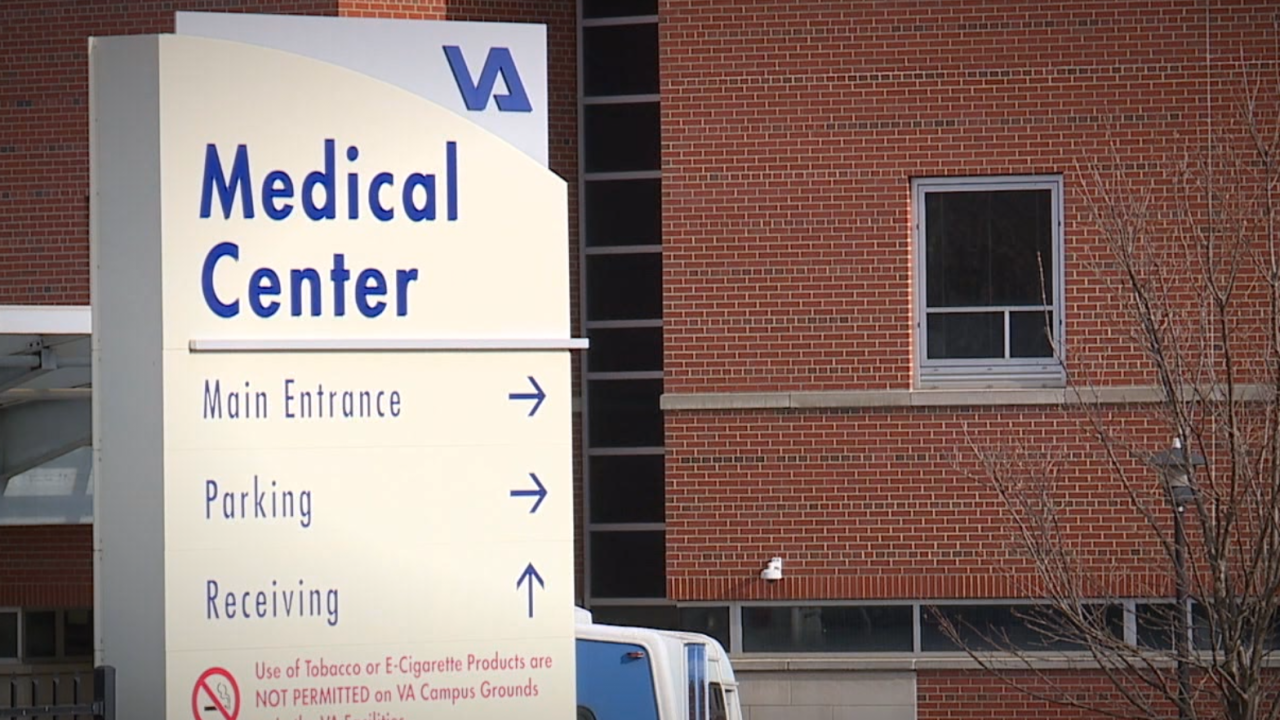


CINCINNATI — The U.S. Department of Veterans Affairs has awarded $2.5 million in grants to six community organizations that provide suicide prevention services to veterans in Ohio.
The funding is part of $112 million in grants awarded to 191 organizations nationwide to support suicide prevention efforts. The money comes through the Staff Sergeant Parker Gordon Fox Suicide Prevention Grant Program and will become available at the start of fiscal year 2027.
WATCH: Multiple Ohio veteran groups received $2.5 million in VA grants
Locally, McBride Pathways for Veterans and the Butler County Community Health Consortium received more than half a million dollars.
Suicide prevention is the VA's top clinical priority, and every VA health facility offers veterans same-day emergency mental health care. But reaching veterans who need help can be a challenge.
Lisa Liston, the suicide prevention program manager at the Cincinnati VA, said what used to be a caseload of 25 a month 10 years ago is closer to 100 now.
"You don't have to be in crisis to decide you're going to go to the VA or you're going to seek out help. We really encourage you to get involved before you have a crisis," Liston said.
In 2023 — the most recent year for which data is available — 61% of veterans who died by suicide had not received VA health care in their last year of life. The Fox grants are designed to close that gap by sending money to community groups already working where veterans live.
"It'll allow these other organizations to partner with the VA as well as provide outreach into the community where veterans live, work, worship, and where they socialize," Liston said.
Liston said support can take many forms, from peer connection to routine screening.
"Maybe you just need somebody to kind of come alongside you. And kind of bounce off what's going on in your life and talk about how you can overcome those things. That's great for peer support. It could be suicide prevention screening, which is really important. You see that all over the VA. We want to screen every veteran at least once a year and we're asking our partners as well to screen veterans for suicide," Liston said.
The biggest message from those on the front lines is that veterans don't have to wait for a crisis to ask for help.
"When you start feeling that stress or you're feeling a little overwhelmed, reach out then and let us help you or let these other organizations help you to point you in the right direction," Liston said.
The Fox grant program extends the VA's suicide prevention efforts into communities to reach veterans who are not connected to VA care. In calendar year 2025, approximately 17,000 veterans, service members and family members received services through Fox grantees — a 31% increase from 2024. The number of veterans served in 2026 is expected to be even higher.
In 2025, 344 at-risk veterans were connected to lifesaving emergency mental health care through these grants, and the VA expects this number to rise in 2026. Fox grantees also connected 2,647 veterans who had not previously used VHA services to VA care and resources, nearly 1,000 more than in 2024.
The VA is also pursuing a range of suicide prevention efforts nationwide. In fiscal year 2026 through Sept. 20, the VA answered more than 1.3 million calls, chats and texts from veterans in need through the Veterans Crisis Line — a 7.1% increase over the prior year, with a veteran satisfaction rate of 97.3%.
The VA's RISK ID screening, first launched in 2018, helps the agency flag and care for at-risk veterans. Through August 2026, the VA completed more than 5.5 million suicide risk screenings, approximately 100,000 more veterans screened than in 2025.
Since 2023, almost 50,000 veterans have used the VA's emergency suicide prevention care benefit, which provides eligible veterans and certain former service members experiencing an acute suicidal crisis with care through VA and non-VA facilities.
If you or someone you know is struggling, help is available through the Veterans Crisis Line by dialing 988 and pressing 1.
This story was reported on-air by a journalist and has been converted to this platform with the assistance of AI. Our editorial team verifies all reporting on all platforms for fairness and accuracy.
