


HAMILTON COUNTY, Ohio. — Health officials have confirmed the county’s first reported human case of West Nile virus this year, following ongoing mosquito surveillance across the area.
Dr. Steve Feigins of the Hamilton County Health Department said the case was detected last week, although confirmation took additional time because laboratory testing for antibodies was required.
The health department has also been monitoring mosquito populations for West Nile virus. One mosquito pool previously tested positive on the west side of the county, while the newly confirmed human case was identified on the east side.
Although temperatures are beginning to cool as fall arrives, Feigins said the timing of the case is not unusual.
“It’s when we typically see it,” he said, noting that there can be a delay between transmission, the development of symptoms, and testing.
Hamilton County reported one West Nile case last year, also in late September.
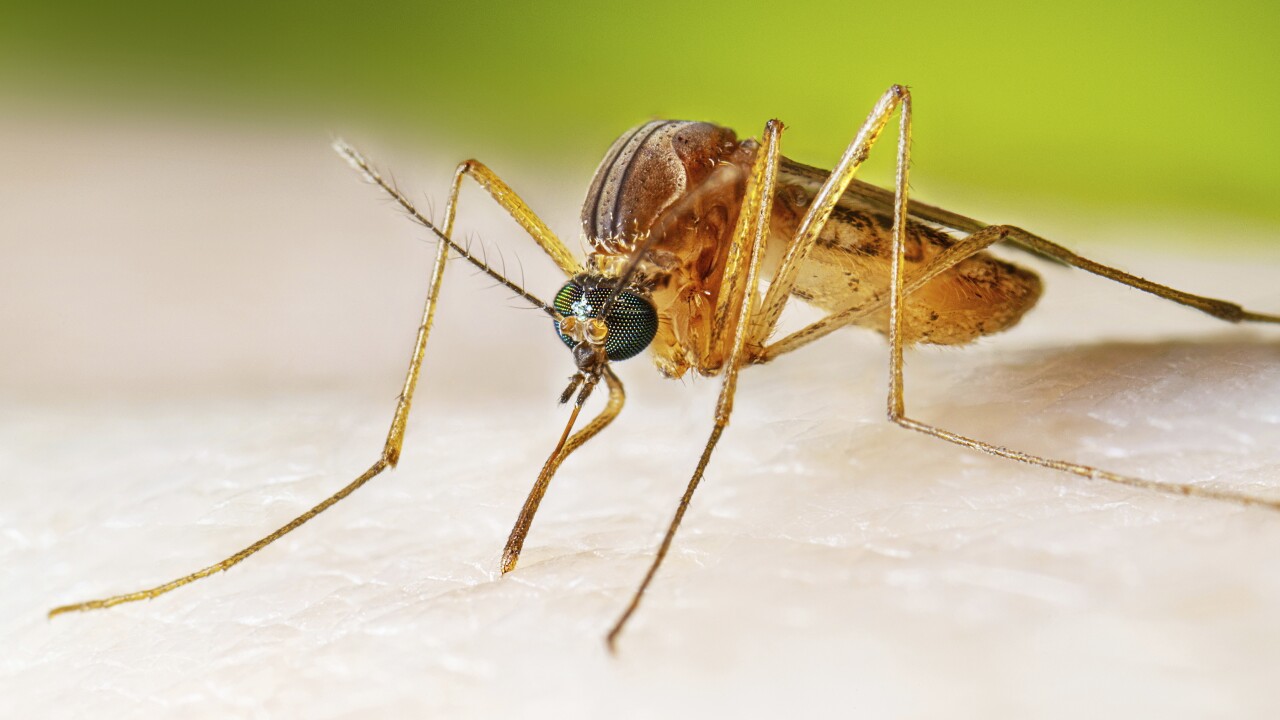
West Nile virus is primarily spread through the bite of infected mosquitoes, particularly mosquitoes in the Culex group. It is not spread directly from person to person.
According to Feigins, most people infected with West Nile virus experience relatively mild symptoms resembling a viral illness, including fever.
However, in a small percentage of infections, the virus can invade the central nervous system and cause encephalitis, an inflammation of the brain that can become serious.
Feigins said some people may have had West Nile virus without realizing it, mistaking a mild infection for another type of viral illness.
There is currently no specific antiviral treatment approved for West Nile virus. Patients who develop severe disease, including encephalitis, may require hospitalization and intensive care, with treatment focused on managing symptoms and complications.
Residents can reduce their risk by limiting exposure to mosquitoes and eliminating places where mosquitoes can breed.
The health department also conducts mosquito-control measures around the homes of people diagnosed with mosquito-borne illnesses. Feigins said those efforts are intended to reduce the chance that infected mosquitoes will bite additional people.
With West Nile virus still circulating in the area, health officials are encouraging residents to continue taking precautions even as fall temperatures arrive.
