

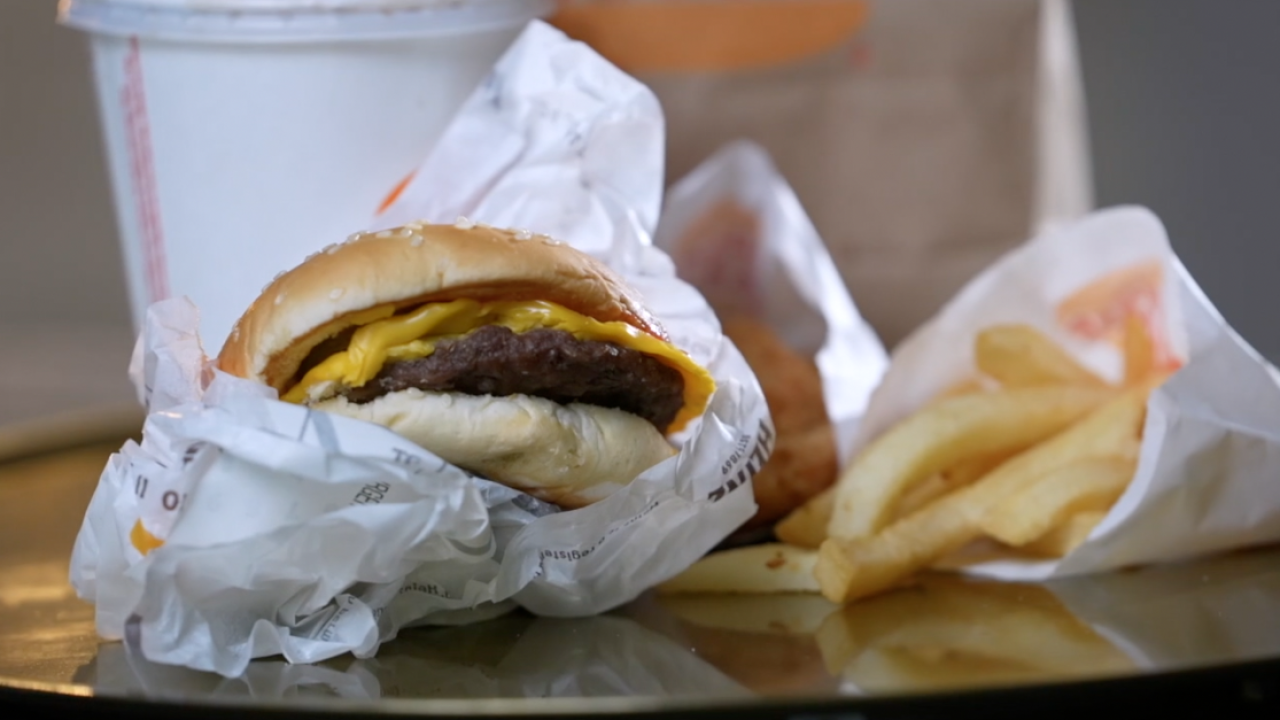


Super-sized meals and extra-large portions have ruled fast food for decades. But now, that is starting to change.
As the GLP‑1 boom pushes consumers toward more protein and better nutrition, fast food chains are adapting their menus. Several major chains are already rolling out new menu items and some cost less than what consumers are used to paying.
The shift: Why fast food is going high-protein
For years, the fast food industry competed by offering bigger portions at lower prices. Now, chains are competing on nutrition, protein content, and smaller portion sizes, driven in large part by the growing number of customers using GLP-1 medications.
Dr. Monika Moni, medical director of the Center for Obesity and Metabolic Health at The Christ Hospital in Mason, said GLP-1 medications are reshaping how the food industry thinks about consumers.
"This new era of the GLP medication and the focus on high protein foods have really changed the food industry to think about the consumers who are paying attention to the ingredients in the food that they are having," she said.
WATCH: Here is how fast food chains are responding to the GLP-1 boom
Moni said the industry's focus is shifting away from sheer volume.
"Now it's shifted towards more of the ingredients and the value and the nutritional value, caloric value of the food that they are serving, so I think it's a huge win for our community from a food industry standpoint," Moni said.
Where to find GLP-1 friendly options and what they cost
Here's a breakdown of what major chains are currently offering:
Chipotle
Chipotle is one of the first major chains to lean into the trend. The company says its high-protein menu offers balanced meals to support a GLP-1 journey, with some options priced lower than a traditional meal:
| Menu Item | Price |
|---|---|
| Chicken High-Protein Cup | $3.80 |
| High-Protein Taco | $3.50 |
Smoothie King
Smoothie King is promoting "GLP-1 Support" smoothies featuring:
- High protein
- Added fiber
- No added sugar
Burger King
Burger King is testing smaller menu items, including "Whopper Bites." Earlier this month, the company's president told NBC News that GLP-1 users are part of the reason behind the change.
Why high protein? A doctor explains
GLP-1 medications work by suppressing appetite, sometimes significantly. Moni said that's exactly why protein becomes so critical for people on these drugs.
"Protein is the substrate for muscle building for our body and for calorie production for our body. So to burn calories, you need protein in your body. To build your muscles, you need protein in your body," Moni said.
And the benefits aren't limited to GLP-1 users.
"If a patient is on GLP medication or not GLP medication, a high protein diet always works towards maintaining your metabolism better and making your body burn calories rather than being in a storing mode," Moni said.
Is this a win for your wallet?
Smaller portions don't just mean fewer calories. They can mean lower prices, too. But Moni said the savings opportunity goes even further, even at restaurants that haven't yet adopted smaller portion sizes.
"Even if the restaurants that you go in are not serving smaller portions, one thing that we could mindfully do is to split that portion into two halves. If you could split that and use it for two meals a day as compared to one meal a day, you would be saving money in that aspect as well," Moni said.
Moni said the trend is also about making healthy eating accessible to more people.
"It's not about just us physicians telling them what to do. It's about their access. It's about what they could do, what they could afford. So finally seeing that trend happening is a win for us."
Doctor's tips: How to eat healthy at fast food restaurants
Even with healthier options available, Moni said there are steps everyone should take before and during a fast food run:
- Read the labels. Just because something is marketed as "GLP-1 support" or "high protein" doesn't mean it's right for your body. Check the nutritional information.
- Plan ahead. Deciding where and what you'll eat before you're hungry leads to more mindful, healthier choices.
- Focus on whole foods when possible. If your schedule allows, buying whole foods gives you more control over what goes into your body.
- Know your numbers. Talk to your doctor about your daily protein, carb, and calorie targets, then look for menu items that match.
- Use free apps to help track nutrition and find menu options that fit your goals. Moni recommends:
- Noom
- Cronometer
- MyFitnessPal
Moni also encouraged patients to schedule a dedicated nutrition conversation with their doctor, or ask for a referral to a nutritionist or dietitian.
"Many insurance companies provide a free nutritional consultation. Get in touch with a nutritionist or a dietitian who can help you," she said.
Will this trend continue, and will GLP-1 medications get cheaper?
Moni said she believes the food industry's shift toward healthier options will continue, but only if consumers keep demanding it.
"The more we demand such things, the more we look into things like this, there is a big chance that our food industry has this trend towards more healthier options for our community."
As for the cost of GLP-1 medications themselves, long a barrier for many patients, Moni said prices are already coming down.
"We have already seen at the beginning of this year both big market GLP medications have gone down in their pricing," she said.
Moni also pointed to a program that could help Medicare patients access GLP-1 medications at a significantly reduced cost.
"So if you are on Medicare insurance and if your Advantage plan doesn't cover your GLP medications, the Medicare Bridge plan offers the medication for you for $50, which is accessible," Moni said.
Two newer GLP-1 drugs are also currently in trials and expected to reach the market, which Moni said could further drive down prices on existing medications.
This story was reported on-air by a journalist and has been converted to this platform with the assistance of AI. Our editorial team verifies all reporting on all platforms for fairness and accuracy.
"Don't Waste Your Money" is a registered trademark of Scripps Media, Inc. ("Scripps").
Follow John:
- Facebook: John Matarese Money
- Instagram: @johnmataresemoney
- X/Twitter: @JohnMatarese
Follow Taylor:
- Facebook: Taylor Nimmo
- Instagram: @tnimms
- X/Twitter: @tnimms
For more consumer news and money saving advice, go to www.dontwasteyourmoney.com
