




COLUMBUS, Ohio — Thin Blue Line Benefits isn't only creating headaches for retired first responders in Ohio.
Investigative reporters at WCPO's sister station in Cleveland, WEWS, confirmed Thursday that there is an "active and ongoing investigation" into the health insurer by the Washington Office of the Insurance Commissioner.
A spokesperson also confirmed Thin Blue Line is not "licensed or authorized" to do business in the state of Washington.
We found dozens of complaints were filed with the Washington OIC against the health insurer this year, with many consumers saying their "bills were not paid."
The growing list of states investigating the health insurer — which stopped offering plans at the end of August — revealed that financial problems with the company stretch far beyond Ohio's borders. While state officials have taken action to ban the business from operating in Ohio, it remains unclear if — or when — policyholders' unpaid medical claims will be paid.
Washington is at least the third state to investigate Thin Blue Line.
The Texas-based company was also operating without a license in Arizona and Ohio.
Both states took legal action this summer to ban the company from doing business within their states.
RELATED: Thin Blue Line Benefits didn't pay their bills. Now, their daughter can't see her doctor
Filling the Gap
The self-funded association plan was created to fill the gap between retirement and age 65 for first responders who often leave their jobs years before they qualify for Medicare, according to court records.
WEWS first reported problems with Thin Blue Line in February after several retired first responders reached out to their tipline about the company's failure to pay their claims, and their healthcare providers no longer accepting their coverage.
RELATED: Retired Ohio police, firefighters say Thin Blue Line Benefits is not paying their claims
WEWS obtained a letter from the company's claims administrator, Quilt Benefits, which said Quilt and Cigna Healthcare terminated their agreements with Thin Blue Line Benefits on Dec. 1, 2024, due to Thin Blue Line Benefits' failure to pay providers' claims.
The Ohio Attorney General's Office filed a complaint in June on behalf of the Ohio Department of Insurance, after it received numerous complaints about the Texas-based company, including consumers who said they have significant amounts of medical debt.
A retired firefighter is on the hook for over $300,000, according to the complaint.
A retired deputy sheriff owes at least $150,000 in medical bills after Thin Blue Line failed to pay his claims.
The Ohio Department of Insurance said it has received a total of 444 complaints about Thin Blue Line.
Both the Ohio Department of Insurance and the Ohio Attorney General's Office declined to comment on camera due to the ongoing litigation.
Who's Left Holding the Bag?
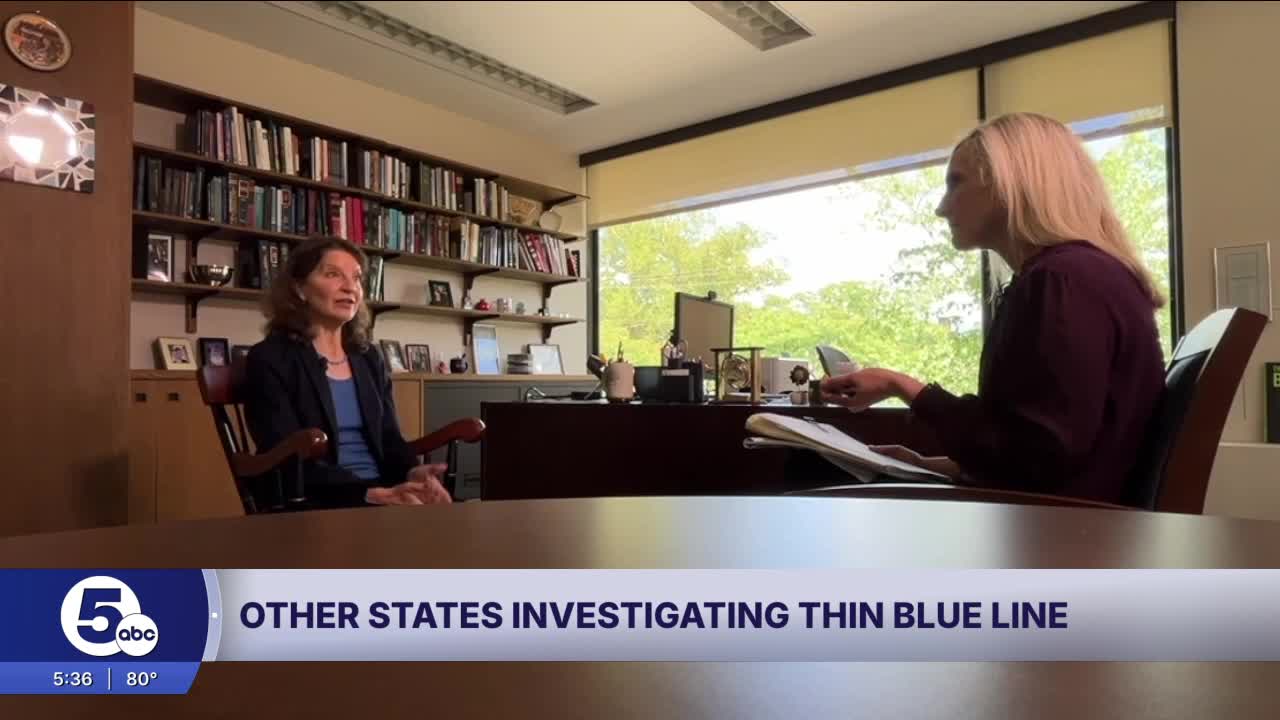
"This somehow fell between the cracks," Sharona Hoffman said. Hoffman is a law professor at Case Western Reserve University and an expert in health law.
The Texas-based company was operating without a license in Ohio and Arizona, according to court documents.
Because the company's insurance plans were marketed online - and directly to retired first responders - state regulators had no way to know Thin Blue Line was unlicensed until complaints started pouring in.
"They (ODI) are busy enough investigating misconduct on the part of insurers they know about," Hoffman said.
Any premiums the company collects will be put into a special bank account, which will likely be used to pay policyholders' medical bills, she said.
However, it does "not necessarily" mean everyone's claims will get paid, she added.
If the money runs out, policyholders will be left holding the bag.
"There are a few things that are helpful, but there is nobody that is just going to forgive those bills," Hoffman said.
"It would also be unfair to your doctor if the law was that, if you bought a bad insurance plan, you don't have to pay their bill," she said.
She said many healthcare providers offer a payment plan, and nonprofit hospitals that are tax-exempt are supposed to have financial assistance plans.
