



CINCINNATI — Help may finally be on the way for Cincinnati property owners stuck with graffiti they can’t reach — or can’t afford to remove.
Cincinnati City Council is set to spend $230,000 on new trucks to remove graffiti for a problem that has worsened since city workers stopped removing the vandalism on private property.
City Council’s Budget and Finance Committee recommended a motion for passage on Monday to use a portion of carryover budget surplus to buy a bucket truck for hard-to-reach vandalism and outfit a second truck with graffiti removal equipment. City council is expected to approve it on Wednesday.
WATCH: Cincinnati to spend $230k on graffiti removal trucks
“The first step is making sure that we have all the equipment to go around and remove graffiti not only on private property but also on public property,” said Councilmember Mark Jeffreys, who sponsored the initial motion. “It’s critical to get rid of the graffiti as soon as possible. The longer it’s up there, the person who did the graffiti wants to see their work up there… so if you’re constantly removing it, they get the message.”
Jeffreys had hoped to hire three additional Department of Public Services workers to remove graffiti and empty trash cans on street corners for $315,000, but couldn’t get enough support from his colleagues, so he plans to reintroduce it during the 2027 budget negotiations.
“There was some concern from the administration, which I do understand: you’re going to invest in people now, but then you’re not going to have the money next year,” Jeffreys said. “I get that issue, but we have to work through that. So, what I would say is, we need to come back in the budget, which we’ll start working on in the beginning part of next year, and make sure we have the people necessary to know how to use these trucks, to go out and now remove this graffiti.”
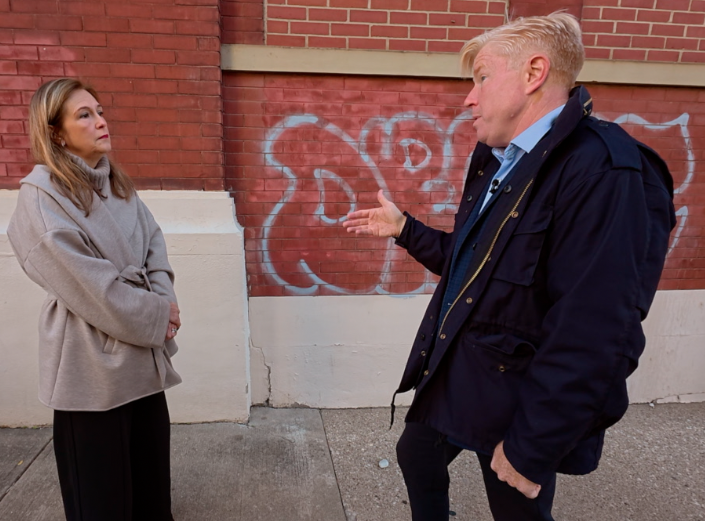
Rory Benson hopes the city’s new bucket truck can reach the graffiti on his tall historic warehouse on York Street, where he has lived for more than a decade. He has removed some lower graffiti but could not reach the upper-level vandalism.
“One company gave me a quote for $18,000 to have it removed,” Benson told the I-Team in March. “Another company said that they knew the city was changing their policies and that I should be warned that other people are going to be increasing their prices because of that … then I’m just forced to pay whatever the city assesses. They’ll just put a lien on your property.”

Vandals occasionally tagged his building with graffiti, but until recently, he said city crews always cleaned it up without being asked. For many years, the Department of Public Services had removed graffiti from both public and private property.
That formally changed in May 2024, when the Cincinnati City Council voted to limit graffiti cleanup to public sites at the suggestion of City Manager Sheryl Long.

“Over time, shifting responsibilities within the city administration have rendered portions of the present graffiti abatement chapter functionally obsolete,” Long wrote in a May 8, 2024, letter to council introducing a new program “to provide an improved mechanism to mitigate graffiti within our neighborhoods.”
Instead, West End residents say the city’s new policy encouraged vandals to produce an ever-increasing amount of graffiti in their neighborhood. Many homeowners can't afford removal, so it isn’t getting cleaned up.
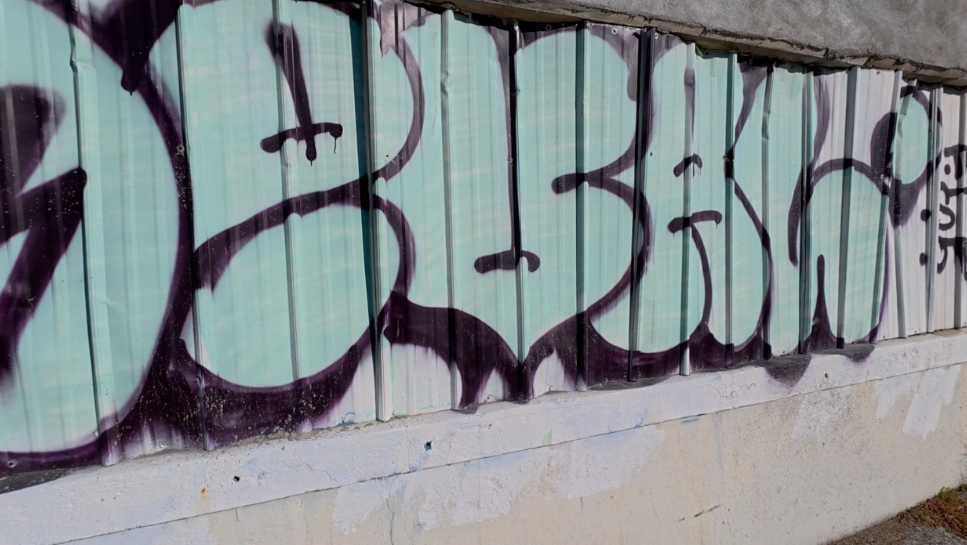
“It’s basically surrounding the neighborhood, fast. It just keeps exploding and radiating out,” Benson said in March. “I don’t think it’s fair that if I do pay for it and it comes back a week later, I have to pay for it again.”
After the I-Team first spotlighted the issue, Jeffreys proposed an amnesty program in June, which council ultimately approved. It stopped penalizing victims and encouraged Cincinnati police to try new techniques such as surveillance cameras and drones, while recommending that offenders be forced to clean up graffiti as part of their sentence.
“It’s gotten worse, it’s definitely gotten worse,” said Paul Tucker, owner of Orange Chair, a commercial upholstery and custom seating company on Hulbert Avenue in the West End that recently expanded into a new building.
“I think it denigrates everything. The curb appeal, the desire for people to come to work, business owners to make investments. It’s basically the wild west out here,” Tucker said.
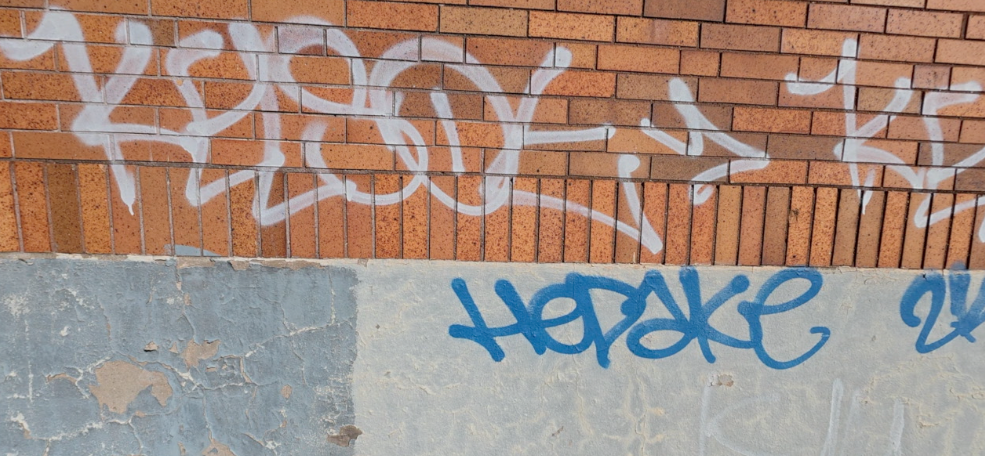
Both Tucker and Benson got city notices of violation for graffiti in 2025.
“I think the image of OTR, West End and brewery district are vital to the growth and stability of a vibrant downtown, so I feel like the more we can keep it with nice curb appeal, I think we’re going to have more traffic downtown,” Tucker said.
City council is also set to spend the year-end surplus on other recommended projects: $564,712 for thermal imaging equipment, safety gear and bomb disposal equipment for the Cincinnati Fire Department; $100,000 for residential sidewalk repairs in Avondale and Roselawn; $225,000 for AI licenses for the city’s law department; plus large allocations to organizations such as Cincinnati Beautiful, the OTR Museum, 1001 Colors, Freestore Foodbank, Cincinnati Art Academy, La Soupe and St. Vincent de Paul.
